
What Agent Traces Reveal About Broken Hiring Workflows

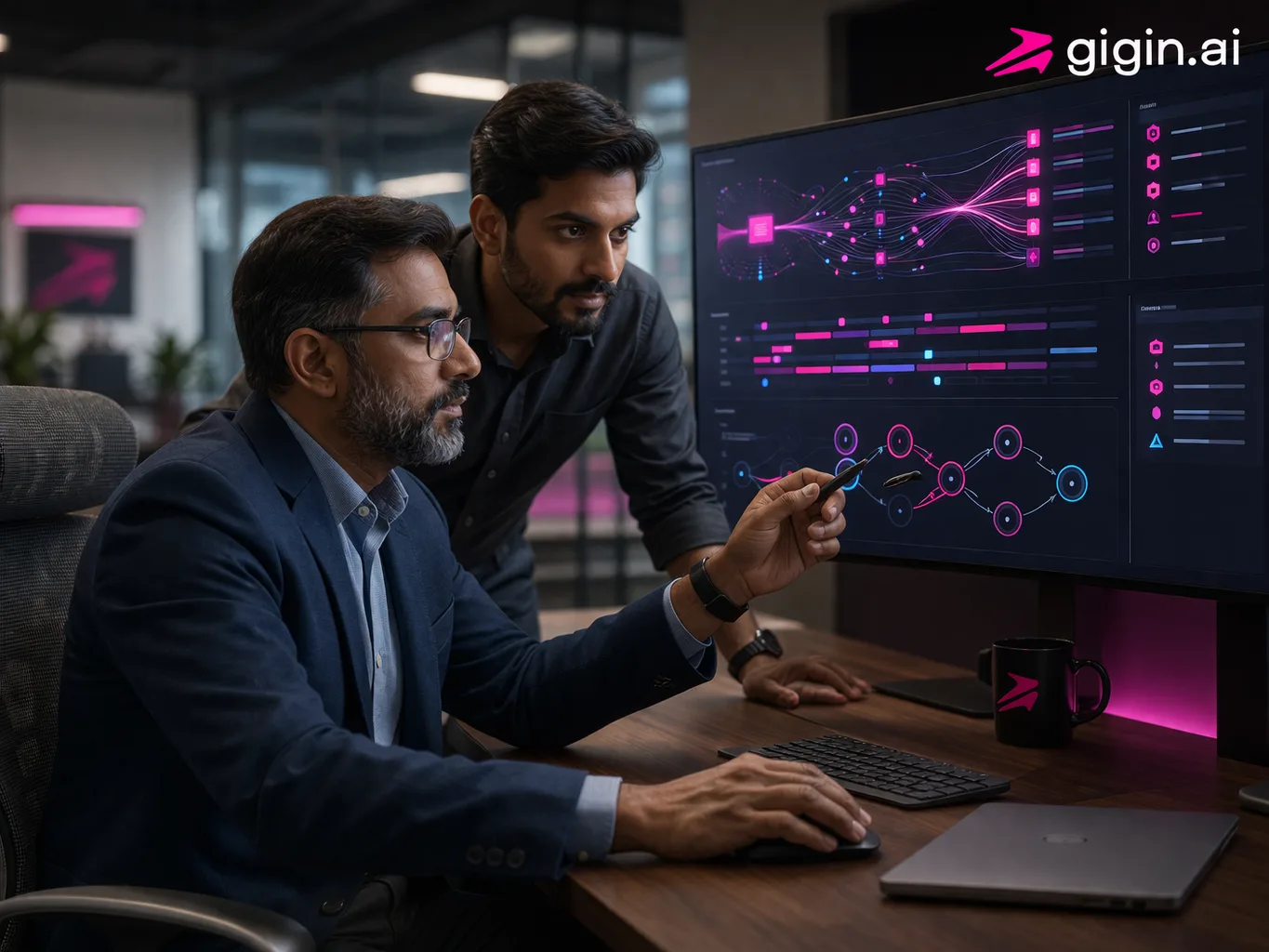
One of the most useful things about agent traces is that they turn vague product disappointment into visible system behavior.
Without traces, teams often argue in abstractions. The model is “not good enough.” The product feels “inconsistent.” Users say the workflow feels “slow” or “off.” But once traces are available, those complaints can be decomposed into real causes. OpenAI’s tracing layer records LLM generations, tool calls, handoffs, guardrails, and custom events. Anthropic’s guidance on long-running agents similarly emphasizes that agents struggle across many context windows and that clear artifacts and state management are essential for sustained effectiveness. Together, those two perspectives make the same point: traces are not just debugging exhaust. They are one of the best ways to understand where workflows actually break. (OpenAI GitHub)
In hiring, this matters a great deal because many workflow failures are not obvious from the surface. A recruiter may only feel that the system is surfacing the wrong candidates too often or that stage movement is slower than expected. But a trace can reveal whether the issue came from weak tool choice, missing context, poor handoff logic, over-triggered guardrails, or a failure to preserve state between steps. That is a much more useful level of truth than generic impressions. (OpenAI GitHub)
This is one reason the AI industry is increasingly moving toward observability as a first-class product concern. As agent deployment rises, teams need to understand not just whether the final output looked acceptable, but how the system reached it. The difference is important because product quality lives in the path as much as in the destination. A result can look fine while the underlying workflow is still fragile and expensive. Traces expose that hidden fragility. (OpenAI)
That is why Gigin’s technical narrative should continue to emphasize production seriousness over AI theater. The company does not need to expose proprietary internals to make this clear. It is enough to state that the next generation of hiring systems will need to be observable enough that broken movement, weak handoffs, and hidden failure patterns can be diagnosed and improved systematically. That is the stance of a platform builder, not a feature vendor. (OpenAI GitHub)
The deeper lesson is simple. Traces do not just help you debug agents. They help you see the workflow your product is actually running, not the one your roadmap assumed it was running.
That makes them strategically important.
Because in agentic systems, what gets traced can be improved.
What stays invisible usually gets blamed on the model.
