
Blog
Notes from the agentic edge of hiring
How AI agents are reshaping recruiting, screening, and verification - written for the teams doing the hiring.
-
Your Recruiters Are Losing Candidates Before They Even Dial the Phone. I Know Because I Built the Teams That Lost Them.
Recruiter-initiated calls get a 30-40% pickup rate. In production, Gia's calls hit 85% — because timing, not skill, is the real bottleneck in high-volume hiring.
-
Speed of Outreach Directly Predicts Whether a Candidate Picks Up
100% pickup within 10 minutes of application. 79% after 8+ hours. The data on why most recruiting teams are too slow to catch candidates while they're still interested.
-
The First Company to Respond Wins the Candidate's Attention
Candidate intent decays with time. In production, calling within 10 minutes produced a 100% pickup rate — against an industry benchmark of 30-40%.
-
“Candidates Will Never Talk to AI.” I Heard That From Every CHRO. The Data Proved Them Wrong.
83% of candidates responded positively to an AI recruiter on first contact, and only 3% questioned whether they were talking to AI. Here's what candidates actually care about.
-
The Recruiter Phone Call Is Dying. Most TA Leaders Haven't Noticed Yet.
It's not the phone call that's the problem — it's the timing. When candidates are called within minutes of applying, pickup rates jump to 85%.
-
“Yeah, This Week, Yeah.” Why Most Phone Screens Stop There — and a Structured Assessment Doesn't
70% of AI-led assessment calls in production included at least one probing follow-up, and 57% of those candidates gave a meaningfully richer answer once pushed.
-
Your Phone Screens Are 5 Minutes of Small Talk and a Prayer. I Know Because I Reviewed Thousands of Them.
The average completed screening call had 13.4 question-and-answer turns. Why screening depth — not recruiter skill — is what determines shortlist quality.
-
83% of Candidates Responded Positively to an AI Recruiter on First Contact
Only 3% questioned whether they were talking to AI. The candidate-experience fear around AI in hiring turns out to be a recruiter projection, not a candidate reality.
-

What Candidates Actually Asked Our AI Recruiting Agent During Assessment Calls
Nearly half of connected candidates asked follow-up questions during their AI assessment call — treating it as a genuine two-way evaluation, not a formality.
-
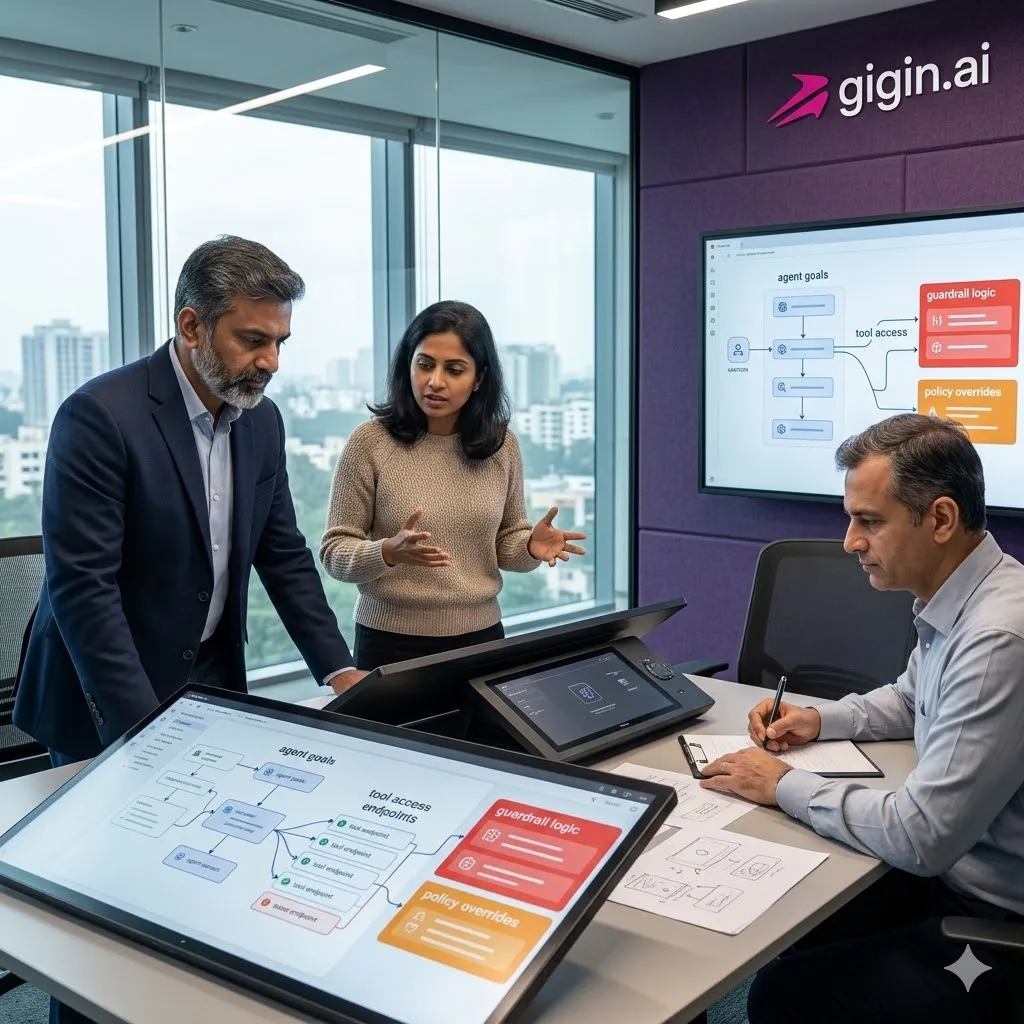
The Resume Said “Sales Manager.” The Call Revealed They'd Never Spoken to a Client. How Many of Your Hires Have This Gap?
Salary mismatches, location gaps, and experience inflation — the conflicts that usually surface at offer stage instead surfaced in the first 7 minutes of an AI assessment call.
-
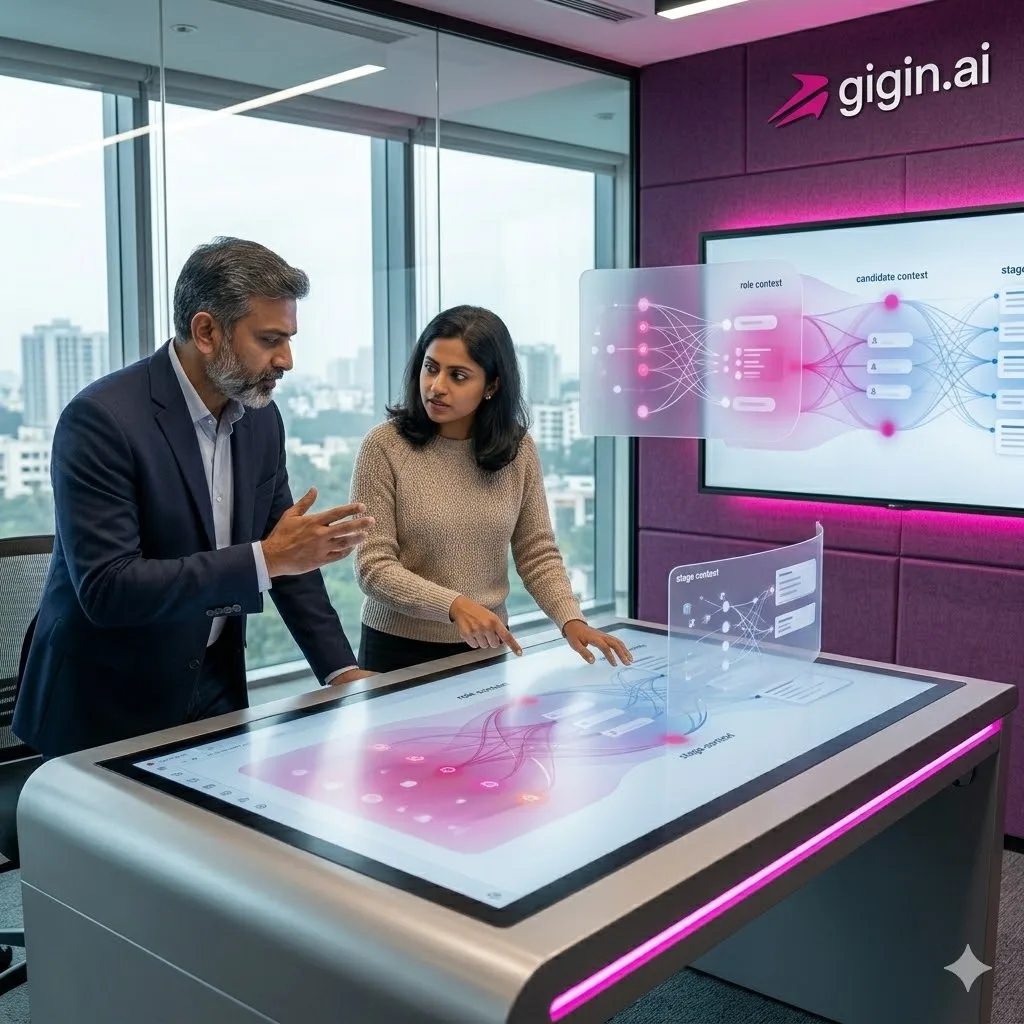
We Saved One Client's Recruiting Team Approximately 33 Hours in 2 Days of Production
A breakdown of where recruiter time actually goes in a screening cycle — and how removing dead dials, unqualified call time, and manual logging produced a 3x efficiency gain.
-
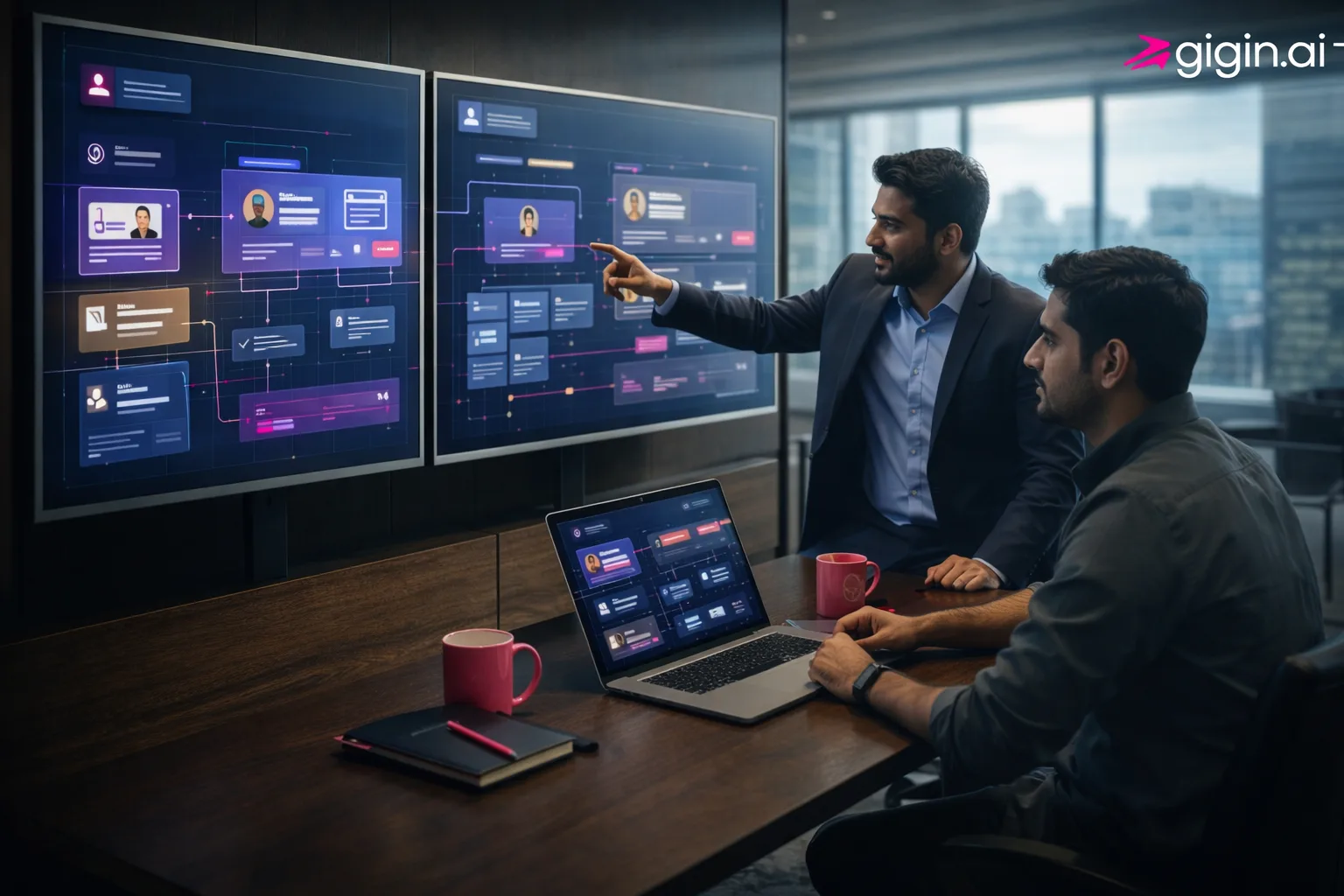
I Tracked Where My Recruiters' Hours Actually Went. The Answer Changed How I Think About Hiring Forever.
60-70% of recruiter time went to work that required zero judgment. The real fix isn't faster recruiters — it's redesigning which parts of the workflow need a human at all.
-
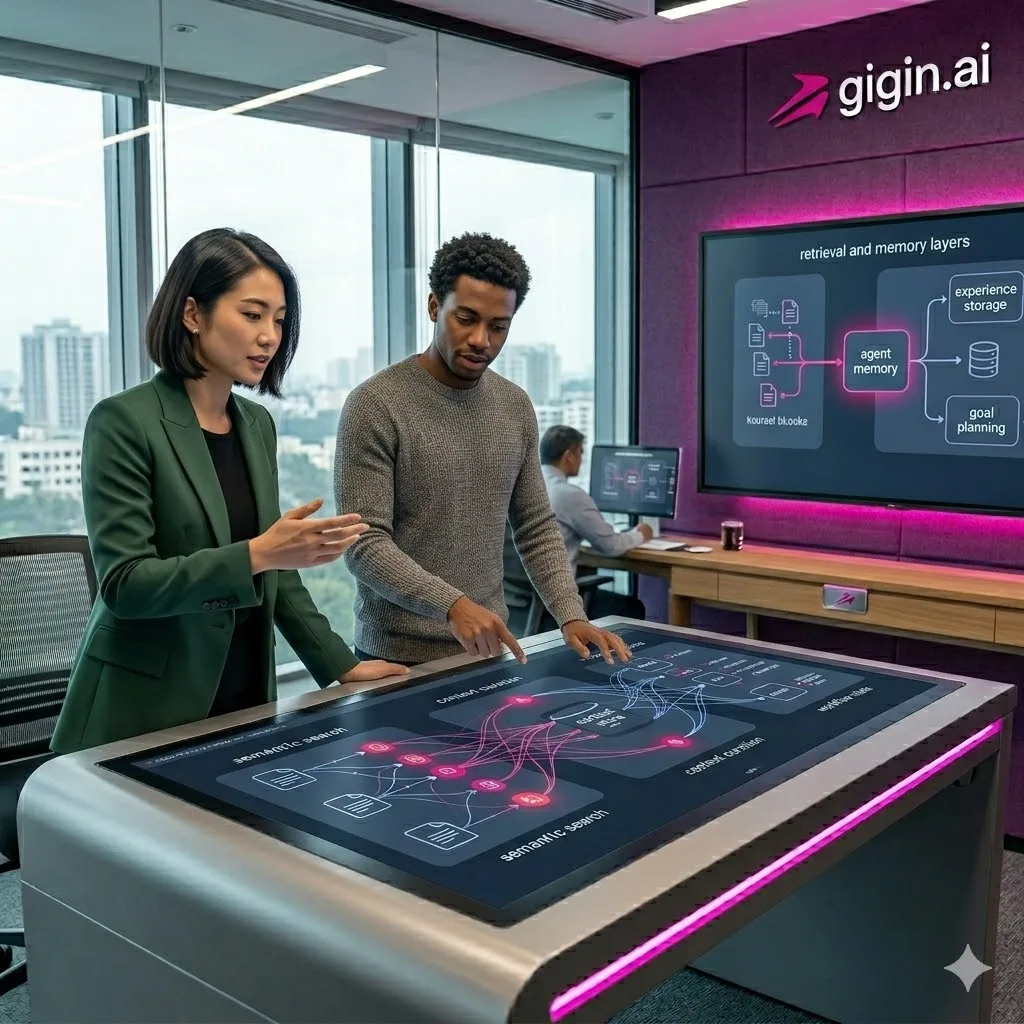
Your Recruiters Are Spending 40% of Their Time on Candidates Who Will Never Get Hired
In production, 61% of applications passed the initial resume screen and 64% of completed assessments were shortlisted — with zero recruiter time spent on the calls that were never
-
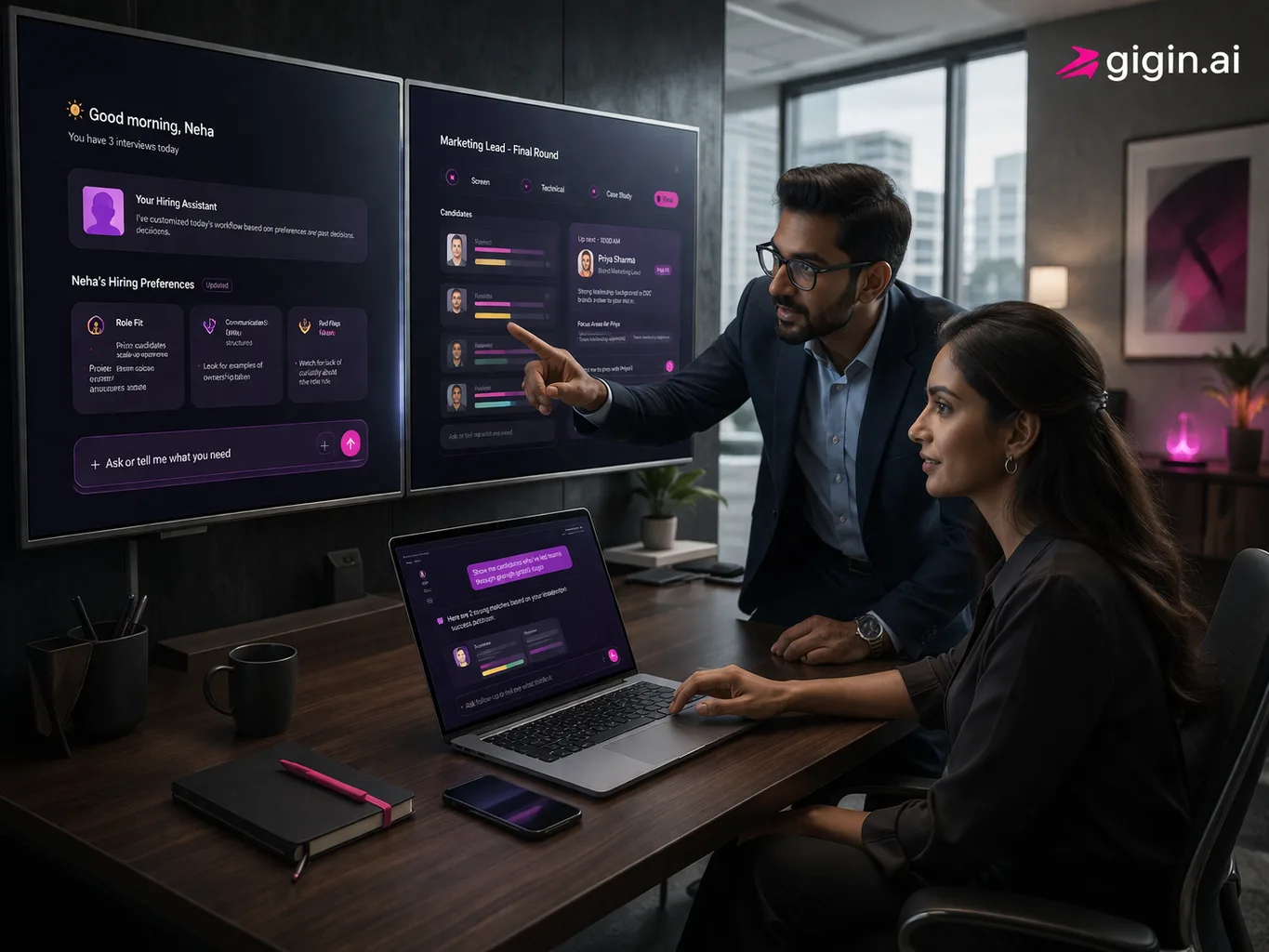
Resume Screened in 6.8 Seconds. Assessment Call Out in Under 3.3 Minutes.
What happens when screening and outreach are connected in one workflow instead of spread across three tools and two handoffs.
-
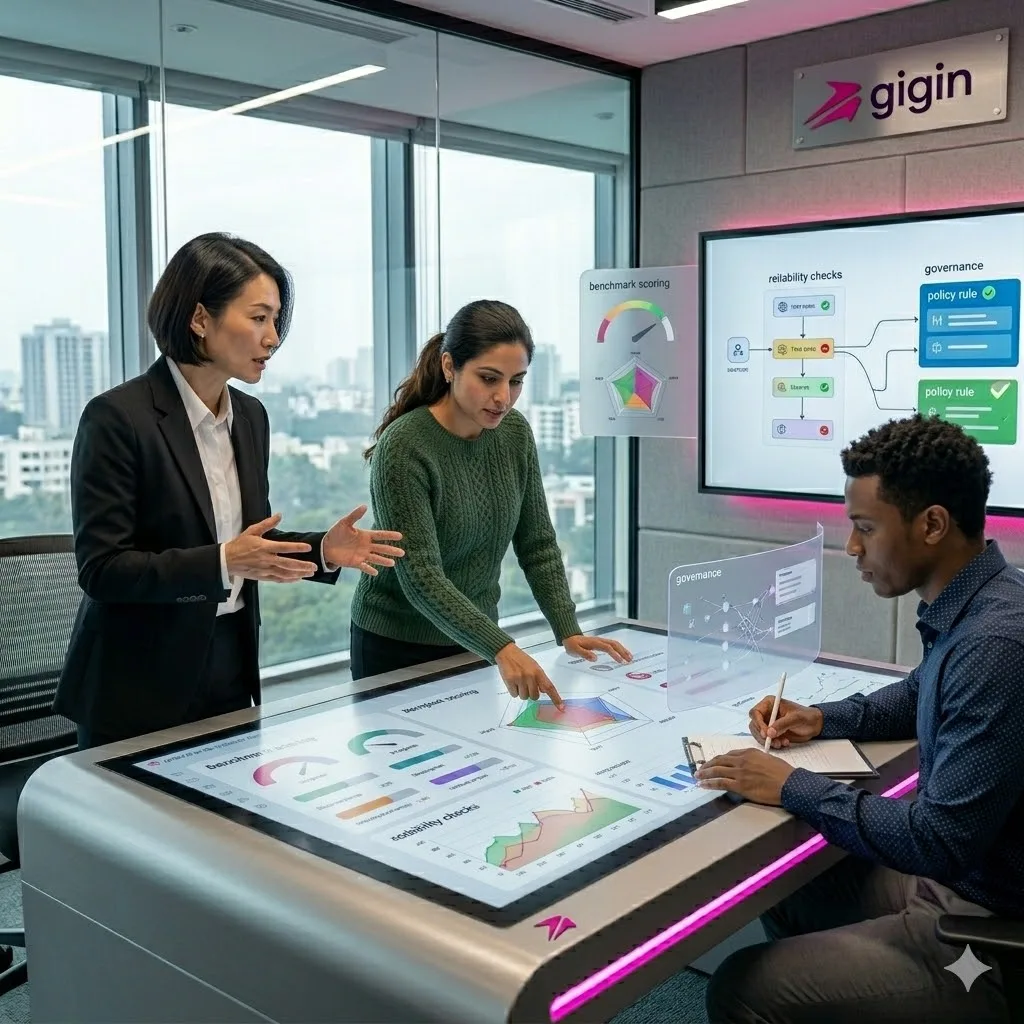
The Fastest Company to Call Wins the Candidate. Not the Biggest Brand. Not the Highest Salary. I Learned This the Hard Way.
Candidate intent [decays with time](https://www.pin.com/blog/time-to-reply-interview-benchmarks/), and no amount of employer branding can overcome it once decay sets in. Why time-t
-
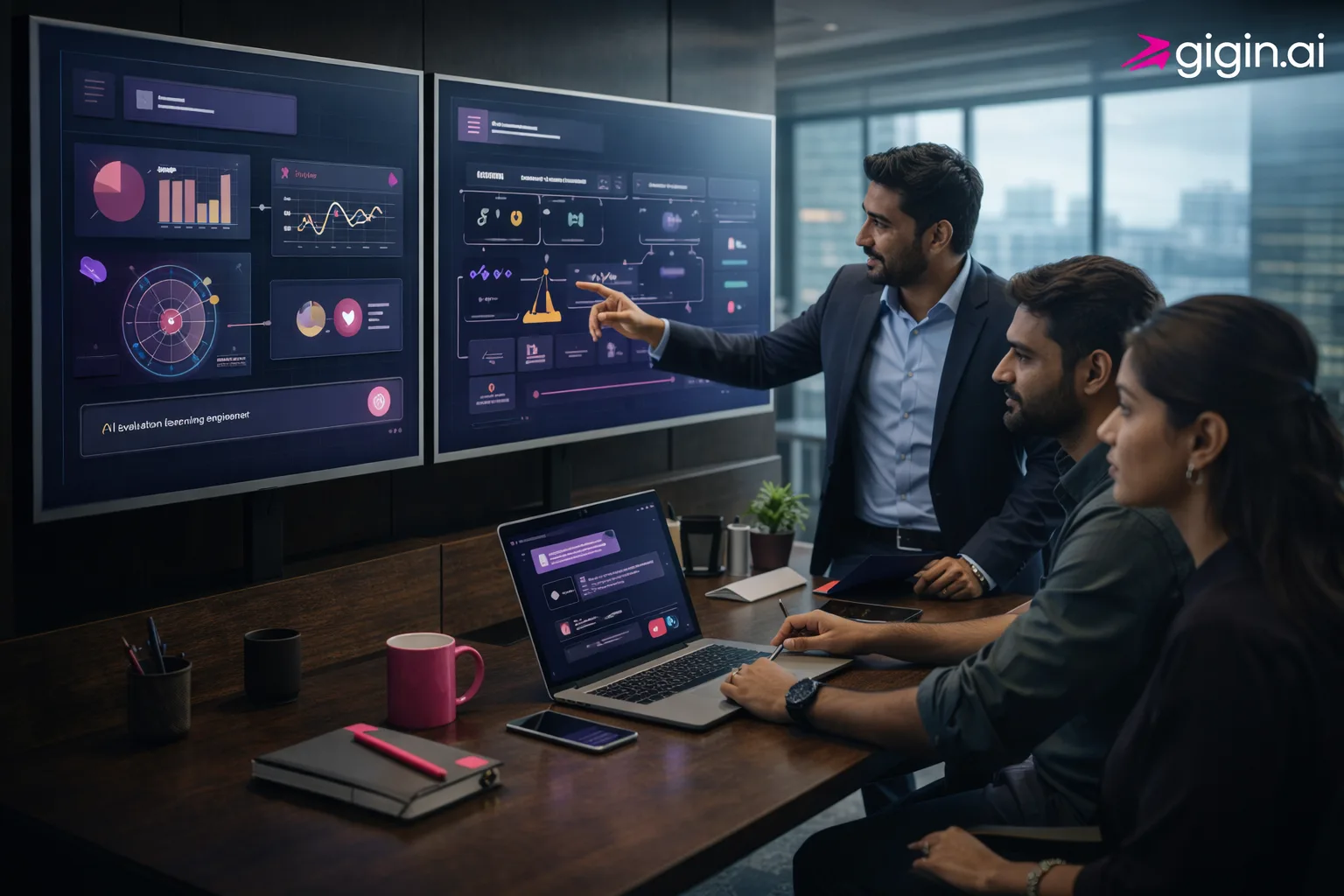
Our AI Recruiting Agent Shortlisted at the Same Rate at 2am as It Did at 2pm
32-33% shortlisting rate across every time window, business hours or overnight. Why consistency — not just speed — is the real AI advantage in hiring.
-
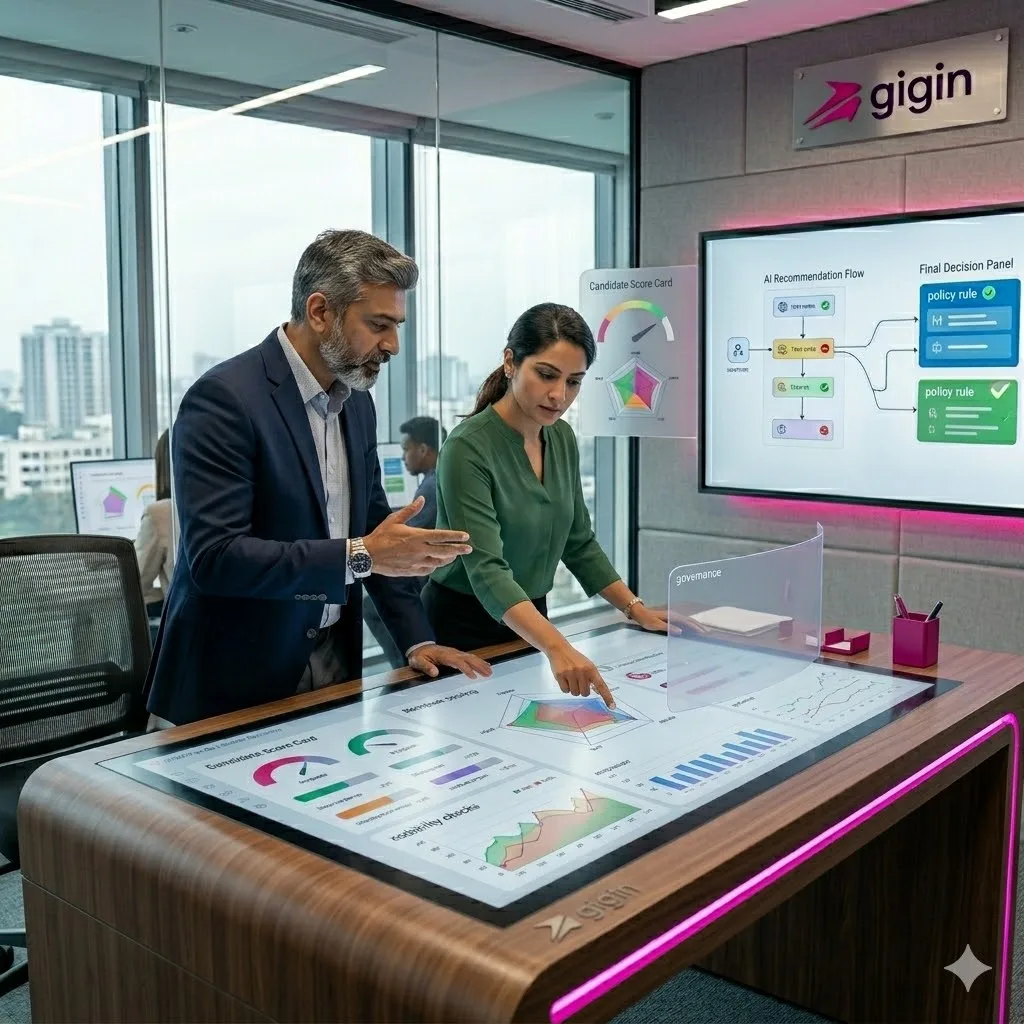
A Nurse Applied at 11pm. Your Recruiter Saw It at 9am. She'd Already Accepted Another Call. This Is the Problem Nobody Talks About.
Nearly half of all shortlisted candidates in production came from applications submitted outside business hours. What happens to your best candidates while your team sleeps?
-

Most AI Hiring Tools Record What Happened. Gia Executes the Workflow.
The distinction between AI features bolted onto an old workflow and agentic AI that actually executes the screening, assessment, and shortlisting steps itself.
-
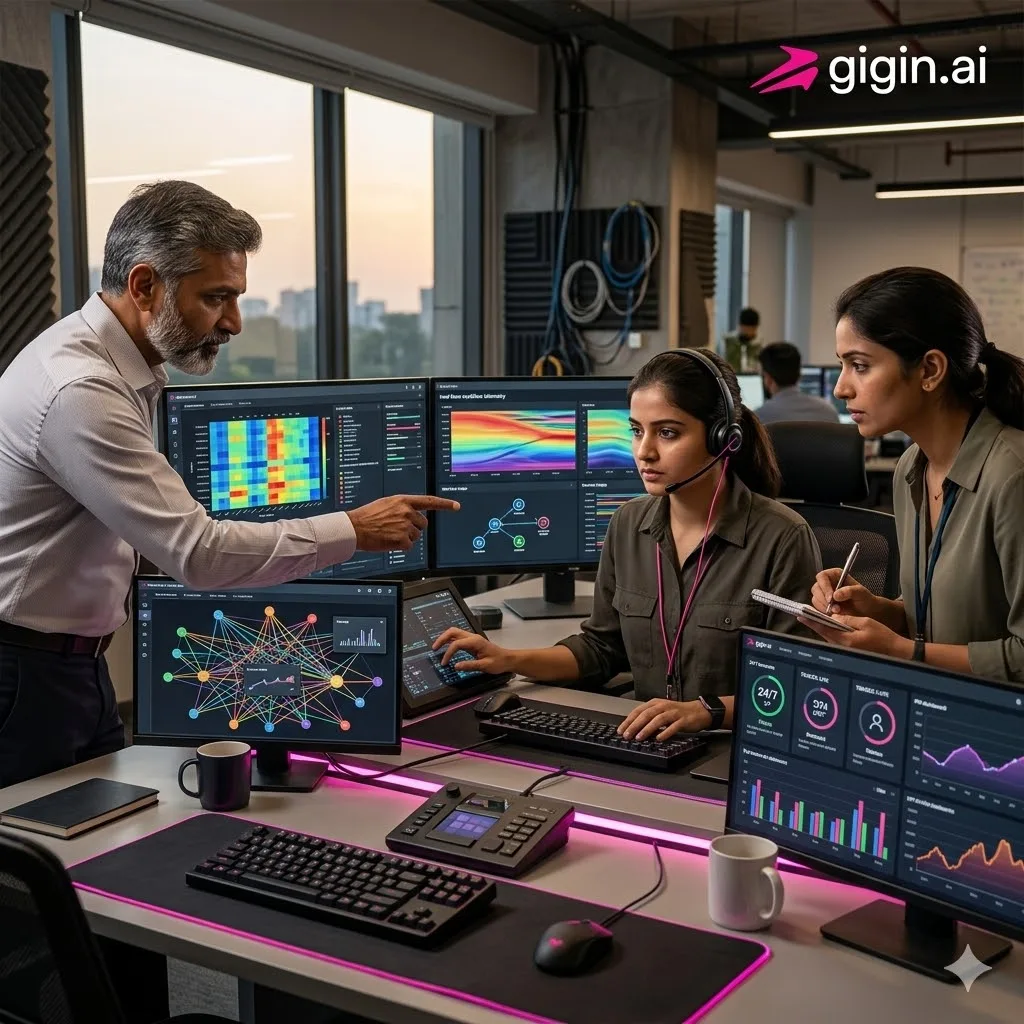
What Does a Full-Stack Agentic AI Hiring Workflow Actually Look Like?
Resume screen in seconds, AI voice assessment within minutes, verified shortlist with evidence — a walkthrough of the three-step production workflow behind Gigin.
-
I've Spent 20 Years in HR. Agentic AI Hiring Is the Biggest Shift I've Seen. Here's the Production Data.
Most AI in hiring today is cosmetic — a layer on top of the same broken workflow. Production data on what changes when AI executes the workflow instead of just assisting it.
-
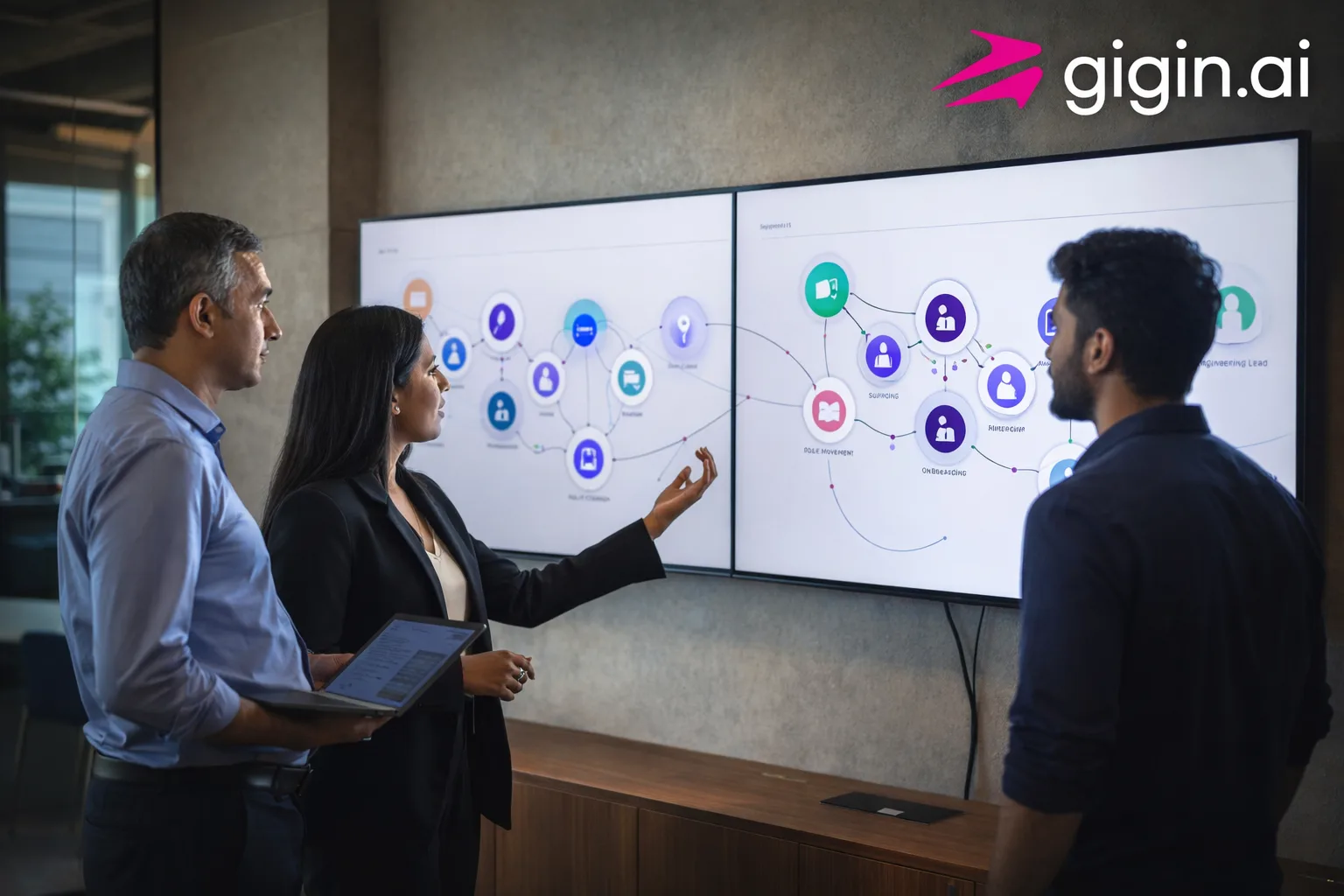
Why Workflow-Native AI Will Beat AI Wrappers in Hiring
The hiring-tech market is shifting from AI features to AI systems. Here's why workflow-native architecture — not thin AI wrappers — will win, and how Gigin is building for it.
-
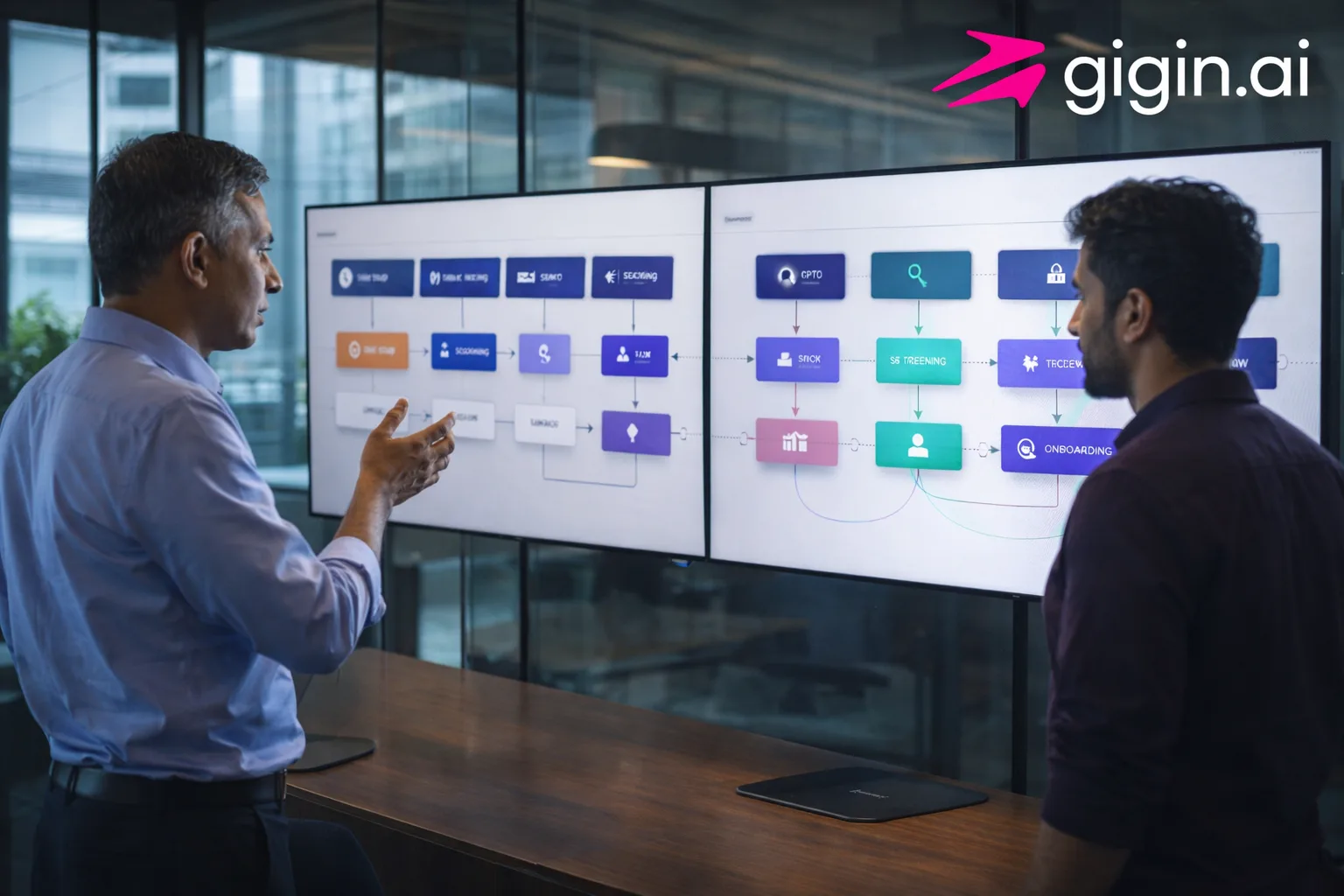
The Real Unit of Design in Hiring Is Not the Prompt. It Is the Workflow.
Prompt-first thinking is a trap. The real unit of design in serious hiring software is the workflow, the state, and the continuity — not the prompt.
-
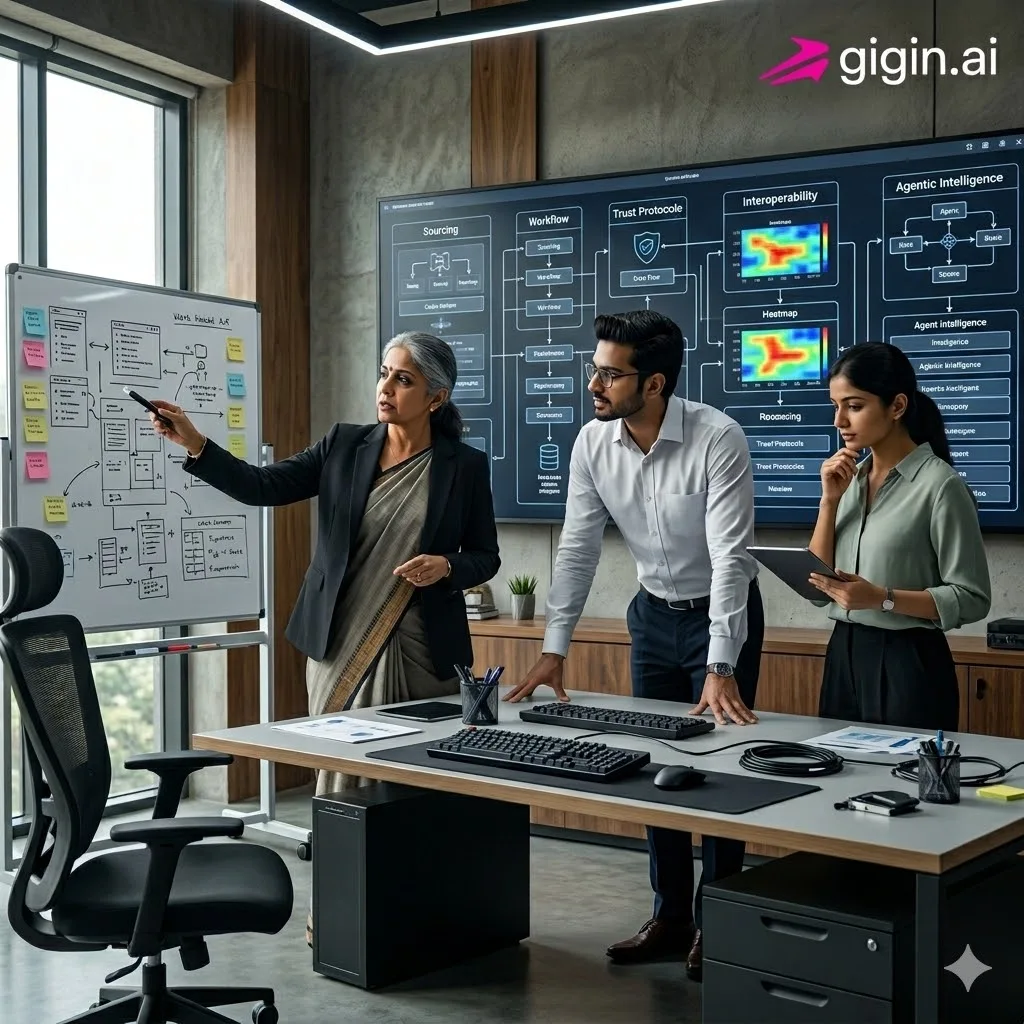
Most “AI Recruiters” Are Thin Layers. The Winning Stack Will Be Native.
Most AI recruiters are thin layers sitting above workflows they don't control. The winning hiring stack will be native, not bolted on.
-
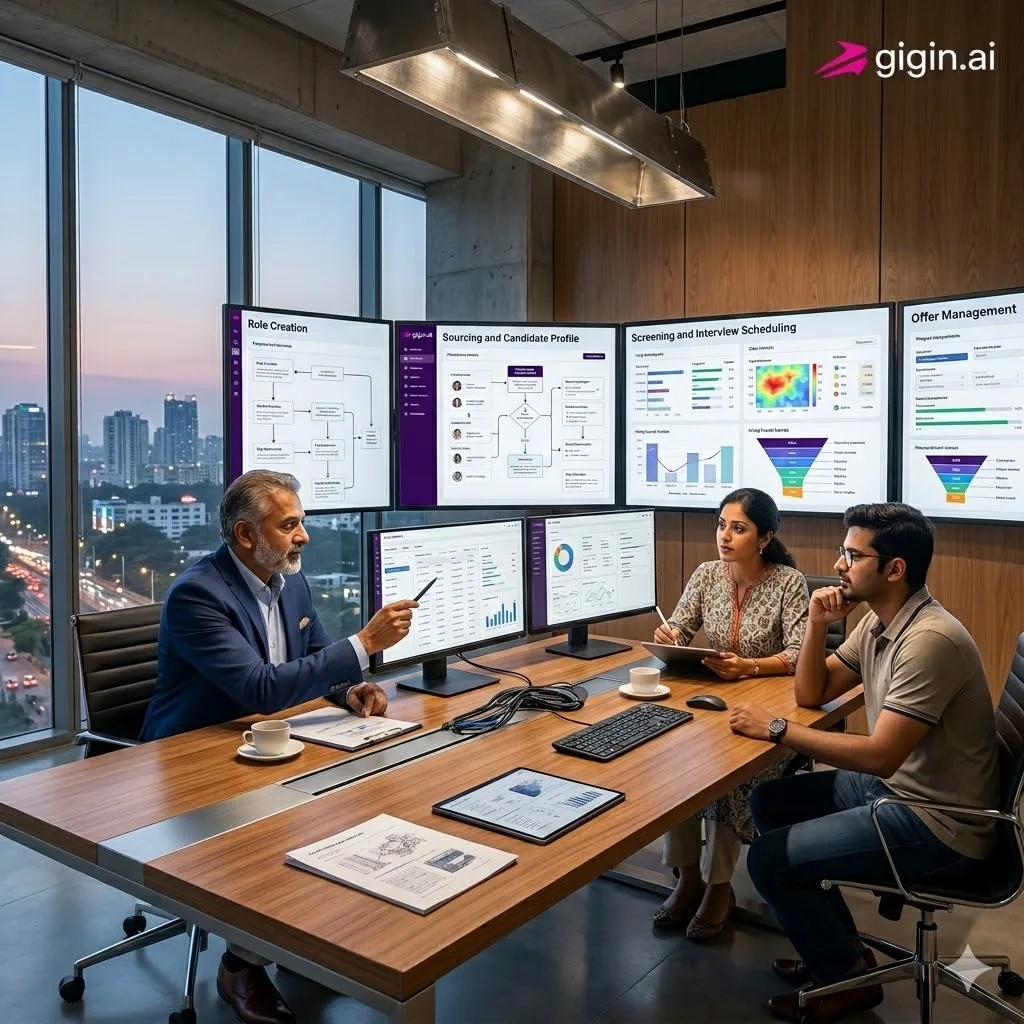
From Job Board to Offer: Why Full-Stack Hiring Systems Win
Splitting hiring across disconnected point tools creates fragmentation the business absorbs as cost. Full-stack systems win because they reduce it.
