
MCP, A2A, and the Future of Interoperable Hiring Systems

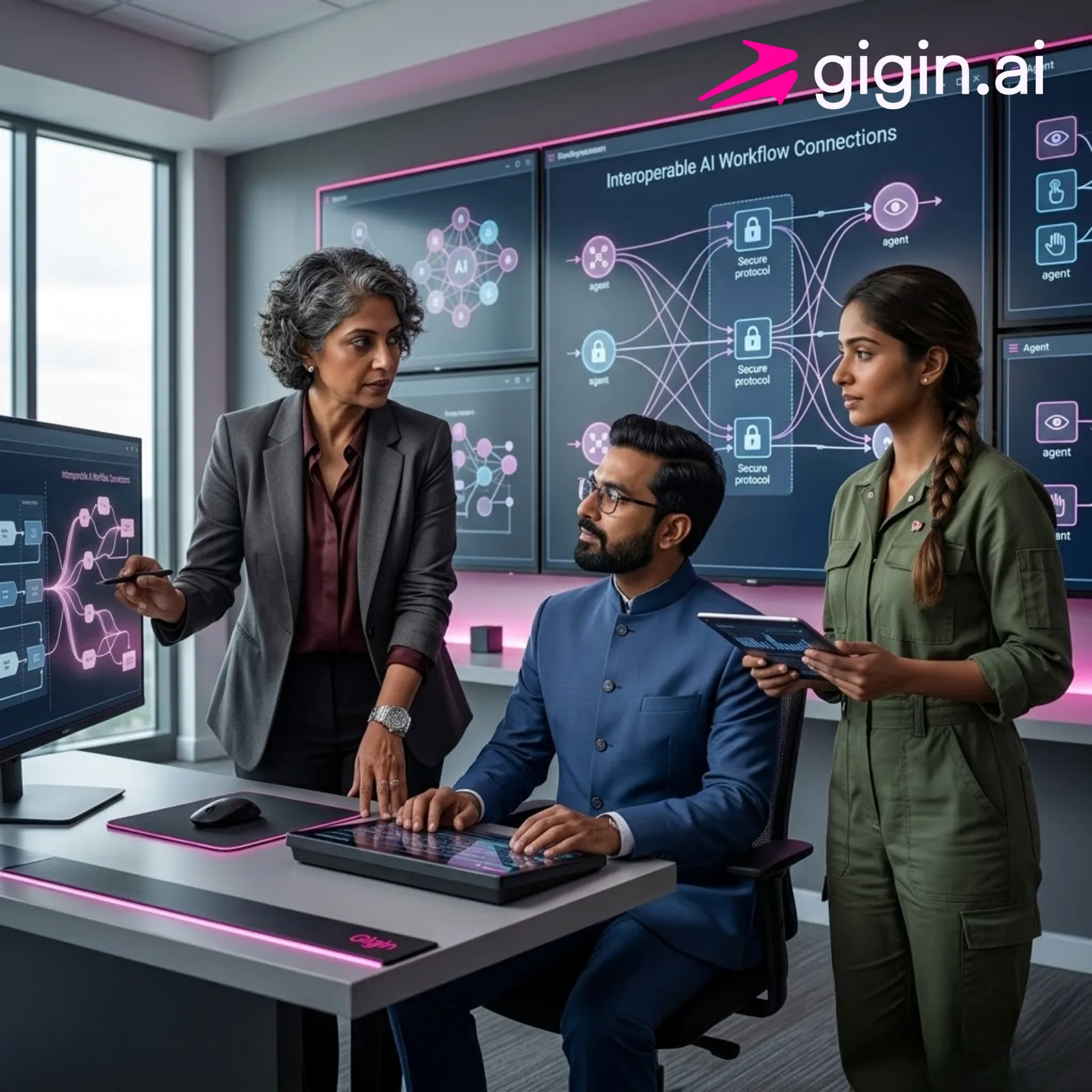
Interoperability is about to become much more important in AI than most software categories are prepared for.
The reason is simple: once systems become more agentic, integration is no longer just about moving data between apps. It becomes about letting intelligent systems connect to tools, workflows, and even other agents in secure, structured ways. Anthropic’s Model Context Protocol (MCP) was introduced as an open standard for secure, two-way connections between data sources and AI-powered tools. Google’s Agent2Agent (A2A) protocol was launched as a new open protocol for agents to communicate, exchange information, and coordinate actions across enterprise systems, with support from more than 50 technology partners at launch. Google later helped donate A2A into a Linux Foundation initiative alongside major companies including AWS, Cisco, Microsoft, Salesforce, SAP, and ServiceNow. (Anthropic)
That is a major signal for product builders.
It means interoperability is being redefined. In the old software world, integration mostly meant APIs, sync jobs, connectors, and event passing. In the new agentic world, interoperability increasingly means protocols that help AI systems discover, connect to, and work across external systems in a more standardized way. That does not remove the need for classic integrations, but it raises the architectural bar. Products that want to become serious operating layers will need to think beyond one-off connectors. They will need to think in terms of protocol-driven connectivity and governed tool access. (Anthropic)
Hiring is an obvious domain where this matters. The workflow touches sourcing surfaces, ATS layers, verification or trust systems, communication channels, scheduling tools, and downstream process steps. If those environments remain weakly connected, AI remains shallow. The more interoperable the product becomes, the more context can move, the more actions can be coordinated, and the more the workflow can feel like one system rather than a collection of disconnected stages. (Claude API Docs)
This is why Gigin’s public technical position around interoperability is strategically important. The company does not need to overshare internals to make the point. It is enough to say that Gigin is building toward a hiring operating system that takes interoperability seriously, not as a badge but as an architectural decision. That matters because the future winners in hiring software will not only own more of their internal workflow. They will also connect more intelligently to the outside systems their customers already live in. That is exactly the kind of design posture protocol-driven AI will reward. (Anthropic)
The market will likely take some time to absorb this. But the pattern is already visible: the more agentic software becomes, the more important standardized interoperability becomes.
MCP and A2A are not just protocol stories.
They are category signals.
And hiring systems that understand those signals early will be much better positioned than those still thinking of integrations as a static checklist.
More from Gigin
- Why Protocol-Driven AI Will Beat Hardcoded Integrations
- Integrations Are Not a Badge. They Are an Architectural Decision.
- What Gigin Means by a Natively Integrated Hiring Stack
- Why Orchestration Is the Real Product in Agentic Hiring
- What Gigin Is Really Building: A Natively Integrated Hiring Operating System
