
Single-Agent Hype vs Multi-Agent Reality

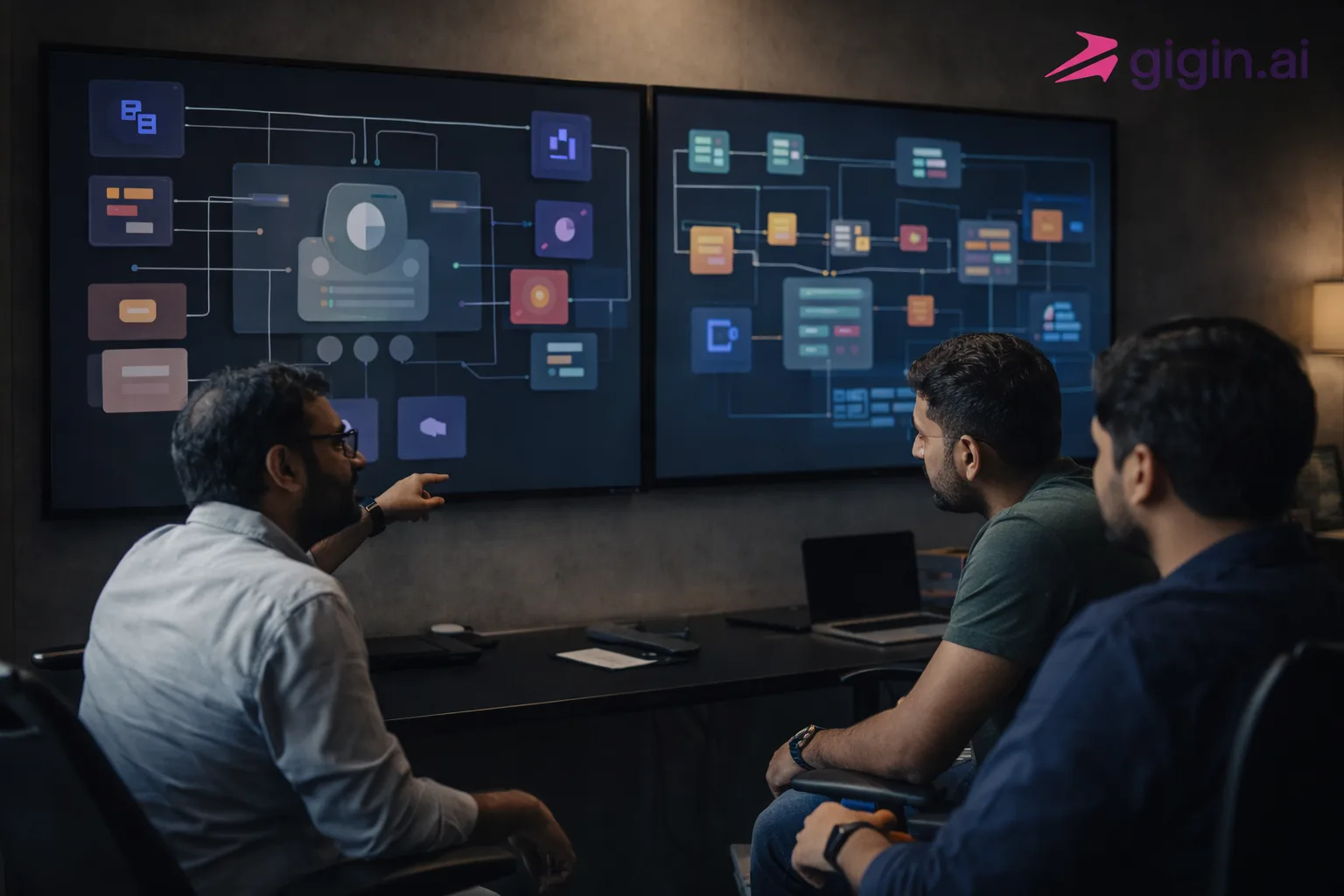
The market is currently using the word “agent” the way it previously used the word “AI”: too broadly to be very useful.
A model that generates a job description gets called an agent. A tool that ranks resumes gets called an agent. A chat assistant with one or two workflows gets called an agent. Some of these products may still be useful, but the language is becoming so loose that it hides an important technical distinction: there is a big difference between a generic assistant and a system made of specialized, coordinated components.
The major AI platforms are already moving toward the second view. Google’s ADK is built specifically for multi-agent applications and emphasizes precise control over agent behavior, debugging, tool use, and evaluation. OpenAI’s guidance similarly defines orchestration as handling multiple steps, tool use, handoffs between different agents, guardrails, and context. That is not the language of a single magical assistant. It is the language of structured systems with distinct responsibilities. (Google Developers Blog)
This is why the “single agent that does everything” story will not age especially well in hiring. Hiring is not one problem. It is a sequence of distinct problems with different goals, different trust requirements, and different failure modes. Role definition is not sourcing. Sourcing is not qualification. Qualification is not structured interviewing. Movement across stages is not the same thing as final trust or readiness. Systems that treat all of that as one generalized assistant problem tend to become hard to govern and harder to improve.
That is where Gigin’s direction is more interesting. The company’s architecture is clearly moving toward specialization inside a broader coordinated system. Publicly, the right way to describe that is simple: Gigin is building role-specific intelligence across the hiring lifecycle, not one thin assistant expected to perform every job equally well. That is a more mature technical position because specialization makes systems easier to evaluate, easier to steer, and easier to trust.
There is another reason this matters. As agent adoption moves from experimentation toward production, reliability becomes more important than spectacle. NVIDIA’s 2026 State of AI report says 44% of companies were either deploying or assessing AI agents in 2025. That means the market is no longer asking only whether agents are interesting. It is starting to ask which kinds of agent architectures are actually viable in real operating conditions. (NVIDIA Blog)
My view is that hiring will reward multi-component, role-aware, tightly orchestrated systems far more than generic “do everything” assistants.
Single-agent hype is easy to market.
Multi-agent reality is how durable products get built.
That is an important distinction. And Gigin is right to lean toward the second.
