
Blog
Notes from the agentic edge of hiring
Review older posts on agentic recruiting, screening, verification, and talent ops.
-

The Future of Hiring Software Is Conversational, Context-Aware, and Agentic
The next generation of hiring software won't look like forms with AI pasted on top. It will be conversational, context-aware, and agentic by design.
-

What Gigin Is Really Building: A Natively Integrated Hiring Operating System
Not a wrapper. Not a narrow assistant. A look at what Gigin is really building: a natively integrated hiring operating system.
-

Healthcare Hiring Is No Longer a Support Function. It Is Infrastructure.
Healthcare is projected to add 2 million jobs by 2034. Here's why hiring can no longer be treated as a support function — it's becoming growth infrastructure.
-

In Healthcare, an Open Role Is Not Just a Vacancy. It Is a Patient-Access Problem.
In healthcare, an open role isn't just a vacancy — hospitals lost $51.1B to contract staff in 2023 alone. Why vacancy friction is an operational problem, not a talent one.
-

The RN Recruiting Clock Is Still Broken
The average time to recruit an experienced RN is 83 days. Why the nursing hiring clock is still broken, and what actually fixes it.
-

Home Health Is Where the Hiring Crisis Becomes Most Visible
Home health and personal care aide openings will average 765,800 a year through 2034. Why this distributed, high-volume workforce is where hiring fragility shows up fastest.
-

Physician Hiring Gets Harder as America Ages
The U.S. could face a physician shortage of up to 86,000 by 2036. Why physician hiring needs the same systems thinking as the rest of healthcare workforce design.
-

The Fastest-Growing Roles Are Telling Us Where Healthcare Is Going
Advanced-practice roles are projected to grow 35% by 2034. What the fastest-growing clinical roles reveal about where healthcare hiring systems need to catch up.
-

Burnout Is Not Just Driving Turnover. It Is Shrinking the Labor Pool.
138,000+ nurses have left the workforce since 2022. Why burnout isn't just a retention problem — it's actively shrinking the labor pool employers recruit from.
-

Burnout Is Not Just a Workforce Issue. It Is a Quality Issue.
A 2024 meta-analysis links nurse burnout to lower care quality and safety. Why staffing instability upstream becomes a patient-quality problem downstream.
-
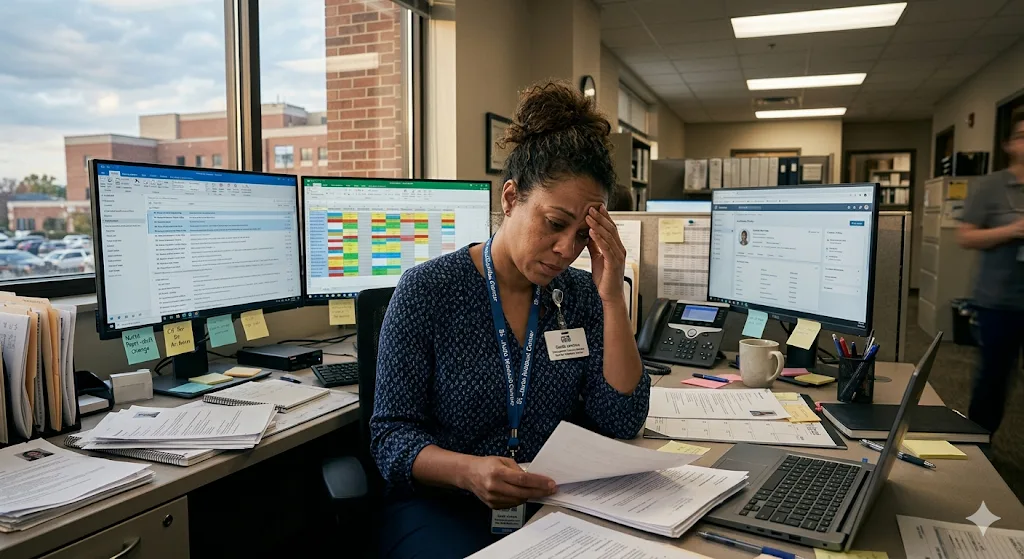
Administrative Burden Has Become a Staffing Problem
Administrative overload is one of the most underestimated drivers of healthcare staffing strain. Why reducing repetitive recruiting work is a capacity strategy, not a convenience.
-

AI Should Remove Administration, Not Judgment
Healthcare doesn't need less human judgment — it needs less wasted human effort. Why the right AI model removes admin, not accountability.
-

Human-in-Loop AI Works Best When Workflow Leads
AI in healthcare hiring works best inside the right workflow, not as a replacement for it. Why human-in-loop design is the serious model, not a compromise.
-

Recruiter Headcount Is Not Keeping Pace With Hiring Pressure
Average recruitment staffing sits at just 0.25 FTE per 100 employees. Why healthcare can't hire its way out of hiring pressure — it needs more leverage per recruiter.
-

Contract Labor Is a Symptom, Not a Workforce Strategy
Hospitals spent $51.1B on contract labor in 2023. Why premium staffing is a symptom of upstream hiring weakness, not a workforce strategy on its own.
-

Retention Is a Recruiting Metric in Disguise
Each 1% change in RN turnover costs the average hospital $289,000. Why retention outcomes are shaped by hiring workflow quality long before day one.
-

First-Year Attrition Is Where Hiring ROI Leaks Away
22.3% of newly hired RNs leave within a year. Why first-year attrition is where a huge share of recruiting ROI quietly disappears.
-
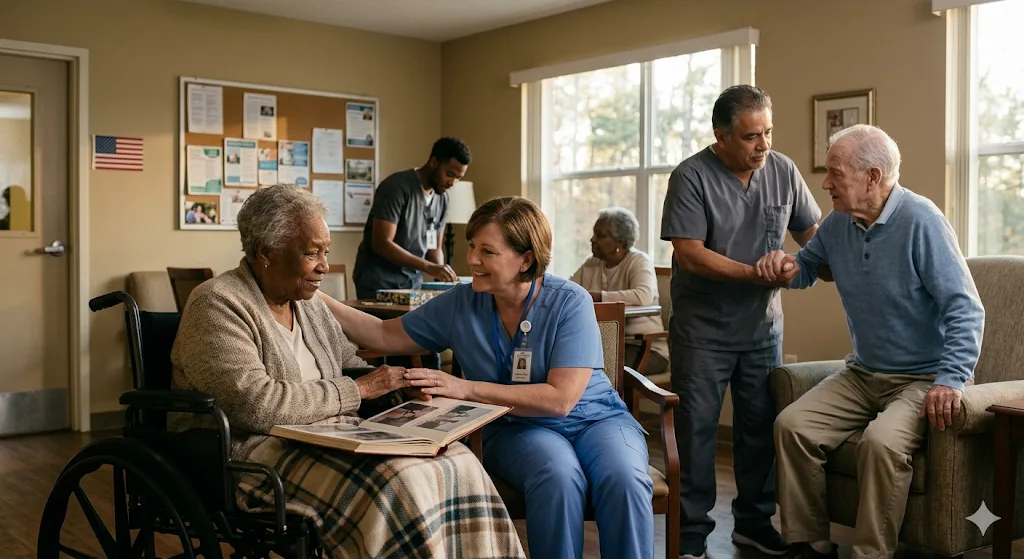
Staffing Stability Matters More Than Most Healthcare Systems Admit
Higher nursing-home staff turnover is linked to more health-inspection citations. Why staffing stability deserves to be treated as a strategic outcome, not a hope.
-
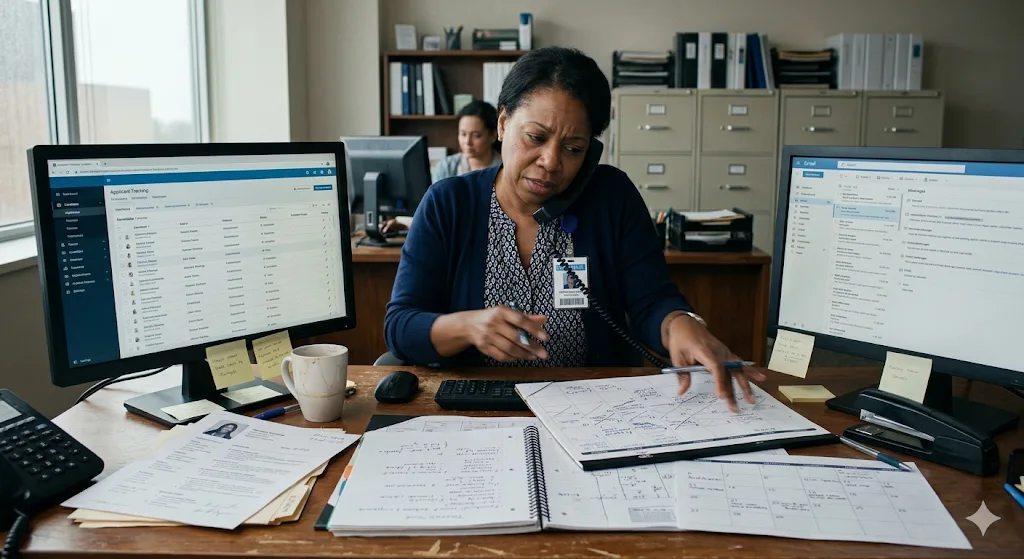
Fragmented Workflows Create Invisible Labor Waste
Fragmented recruiting tools create invisible labor waste — the same problem CAQH solved for provider data. Why connected workflow is a labor-efficiency strategy.
-

Credentialing Should Move Upstream, Not Wait at the End
Credentialing is too often an end-stage surprise. Why moving trust and readiness upstream prevents last-mile hiring delays in healthcare.
-
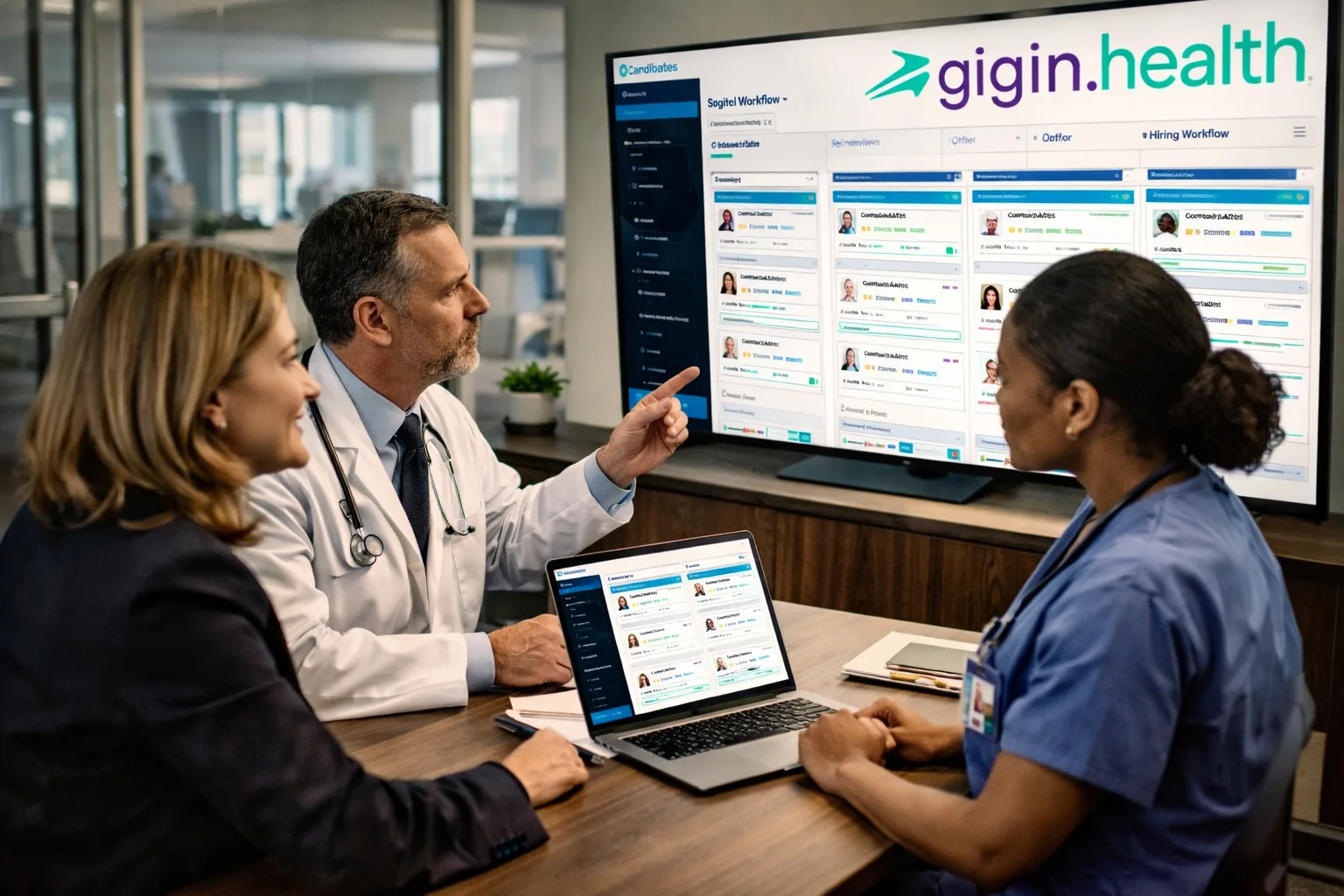
Healthcare Does Not Need More Hiring Tools. It Needs One Connected Workflow.
More hiring tools aren't the answer — fewer broken handoffs are. Why healthcare needs one connected workflow instead of another point solution.
-

Rural Healthcare Does Not Need More Hope. It Needs Better Workforce Operating Models.
Nearly half of rural hospitals operate at a financial loss. Why rural healthcare needs better workforce operating models, not more inspirational language.
-

The Healthcare Team Mix Is Changing Faster Than Hiring Systems Are
The healthcare team mix is shifting toward advanced-practice and blended care teams faster than most hiring systems can adapt. Here's what that requires.
-

Workforce Is No Longer Just an HR Budget Line. It Is an Operating Strategy.
Hospital labor costs hit $839 billion — nearly 60% of average expenses. Why workforce is now an operating-strategy line, not just an HR budget item.
