
Blog
Notes from the agentic edge of hiring
Review older posts on agentic recruiting, screening, verification, and talent ops.
-
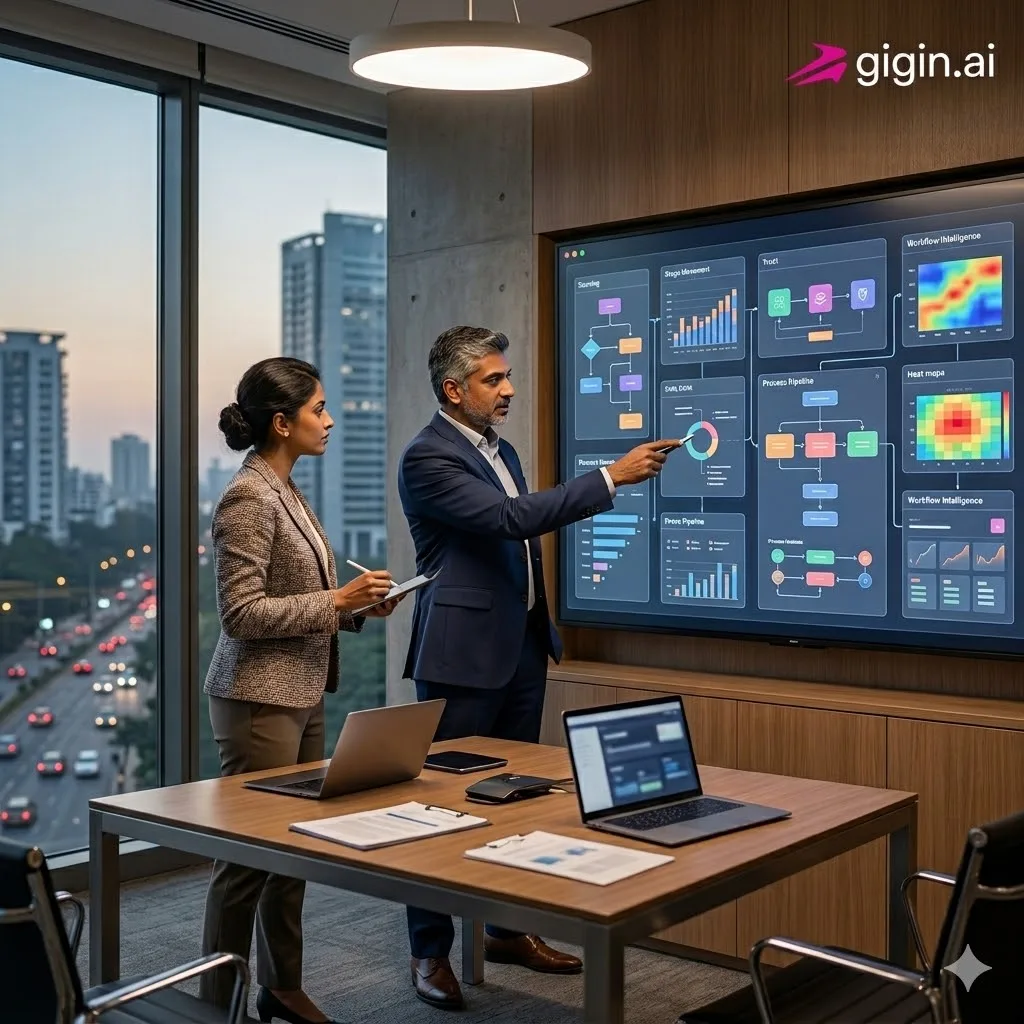
Why Source-of-Truth Matters More Than Feature Count
Feature count is easy to fake. Source-of-truth — a system's internal understanding of role, candidate, and trust state — is what actually makes hiring software intelligent.
-
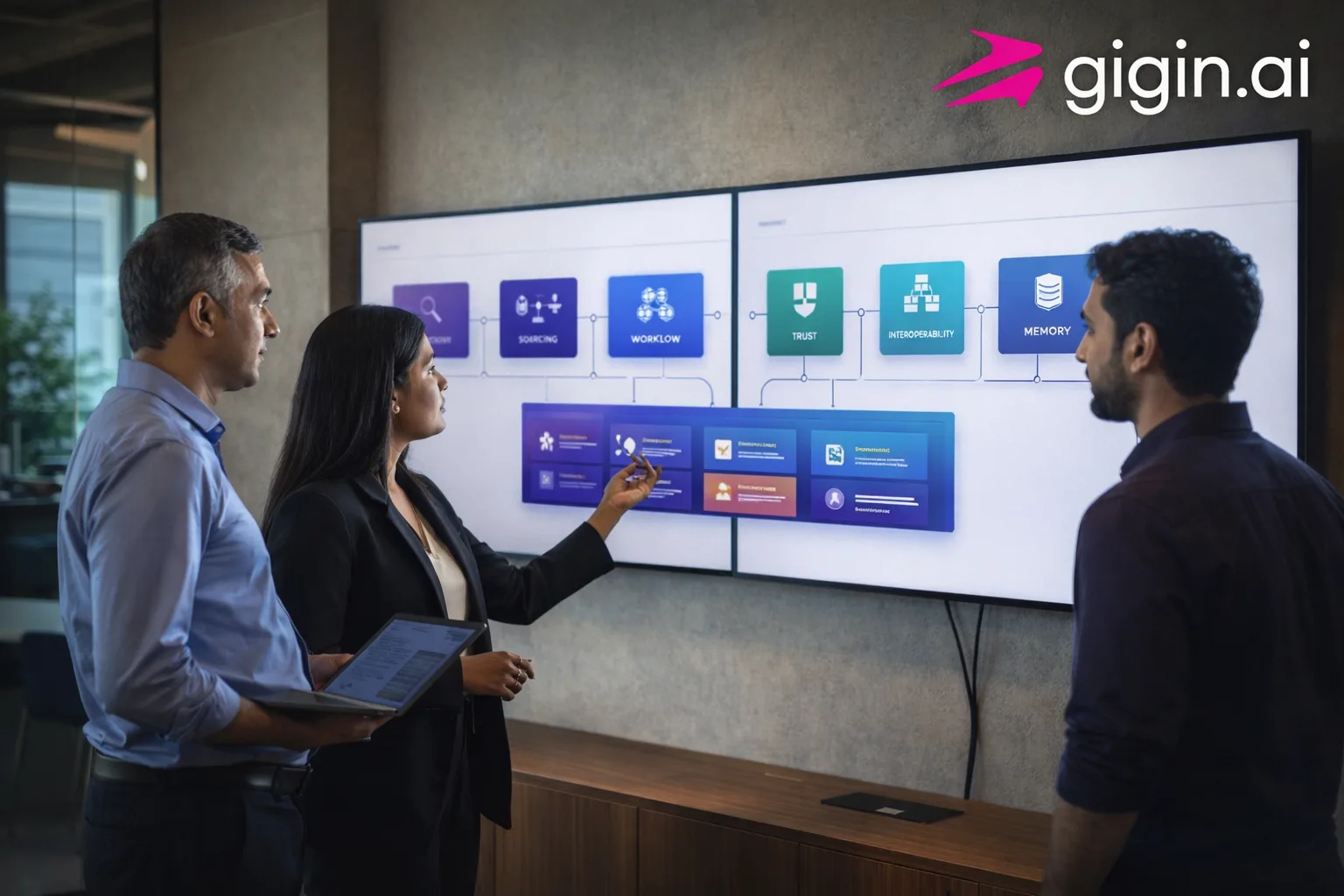
What Gigin Means by a Natively Integrated Hiring Stack
Integrated platform is one of the most overused phrases in software. Here's what a natively integrated hiring stack actually means, and why it matters.
-
Single-Agent Hype vs Multi-Agent Reality
The word agent is being used as loosely as AI once was. Hiring will reward multi-component, role-aware, orchestrated systems over generic do-everything assistants.
-
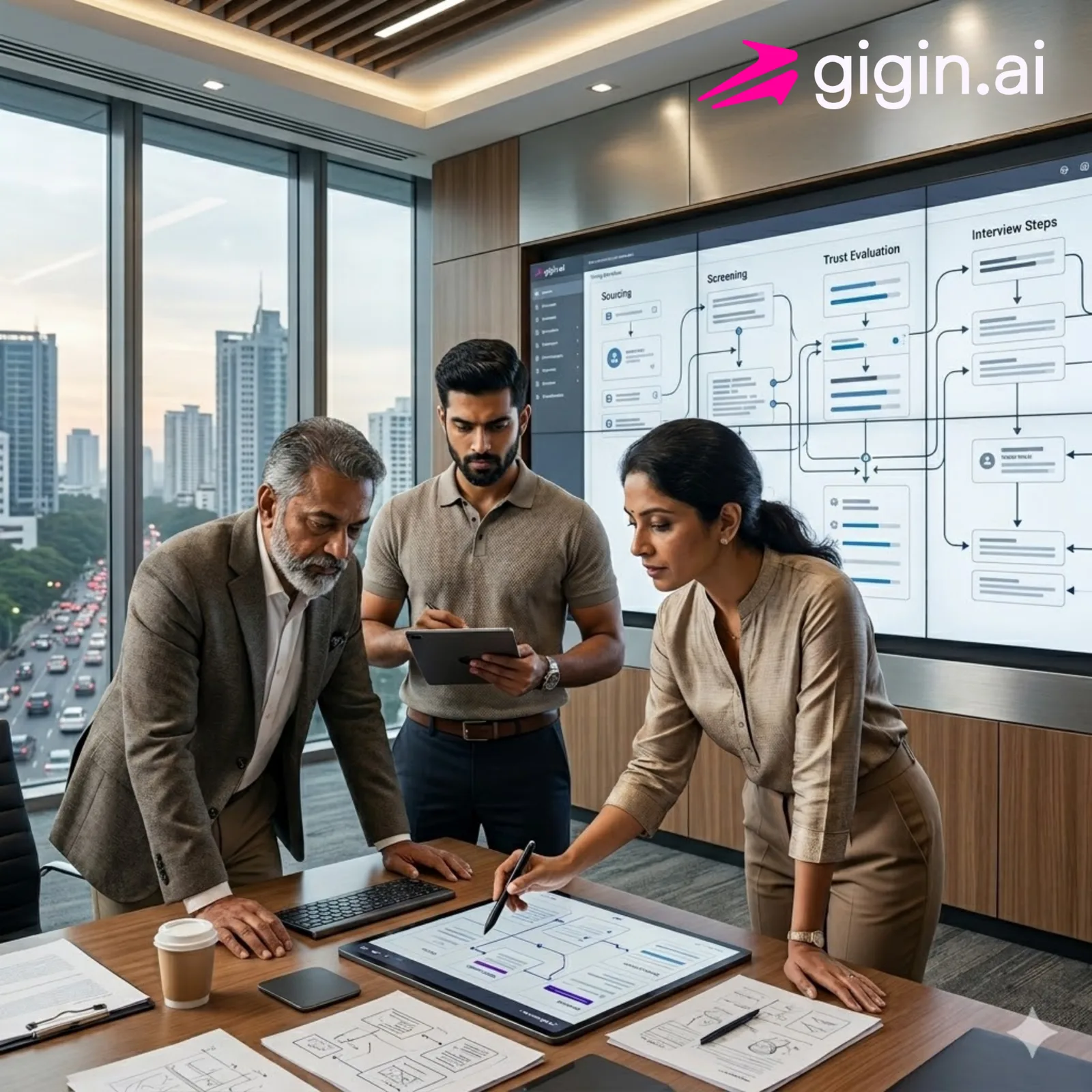
Why Orchestration Is the Real Product in Agentic Hiring
The real product in agentic hiring isn't the model's intelligence — it's the orchestration layer that governs what happens next, and why.
-

Task-Specialized Agents Beat Generic Assistants
Generality looks advanced early in a category. In production, [task-specialized agents](https://www.zendesk.com/blog/ai/agentic-ai/specialized-ai-agents/) consistently outperform o
-
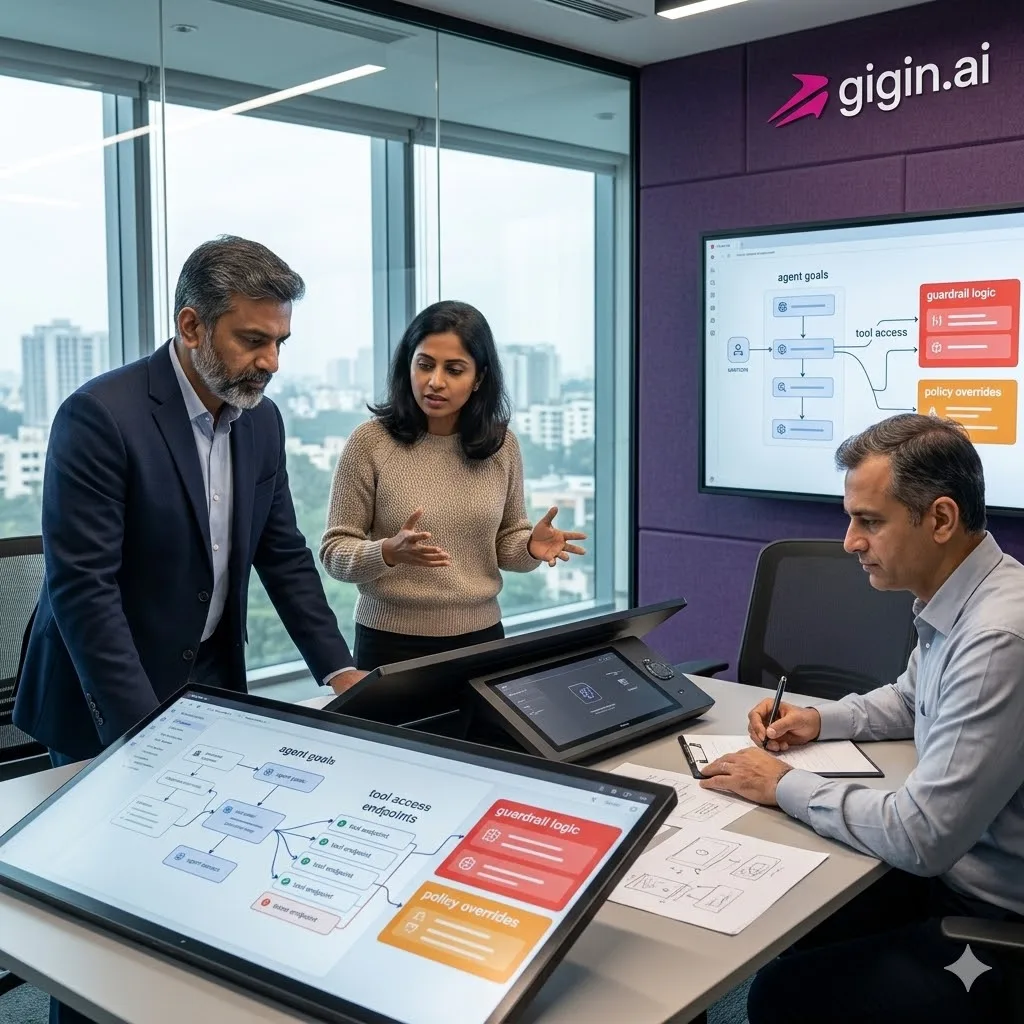
Designing Agents With Goals, Tools, and Guardrails
Instruction alone isn't enough for serious agent systems. Goals, tools, and guardrails aren't implementation detail — they're the foundation.
-
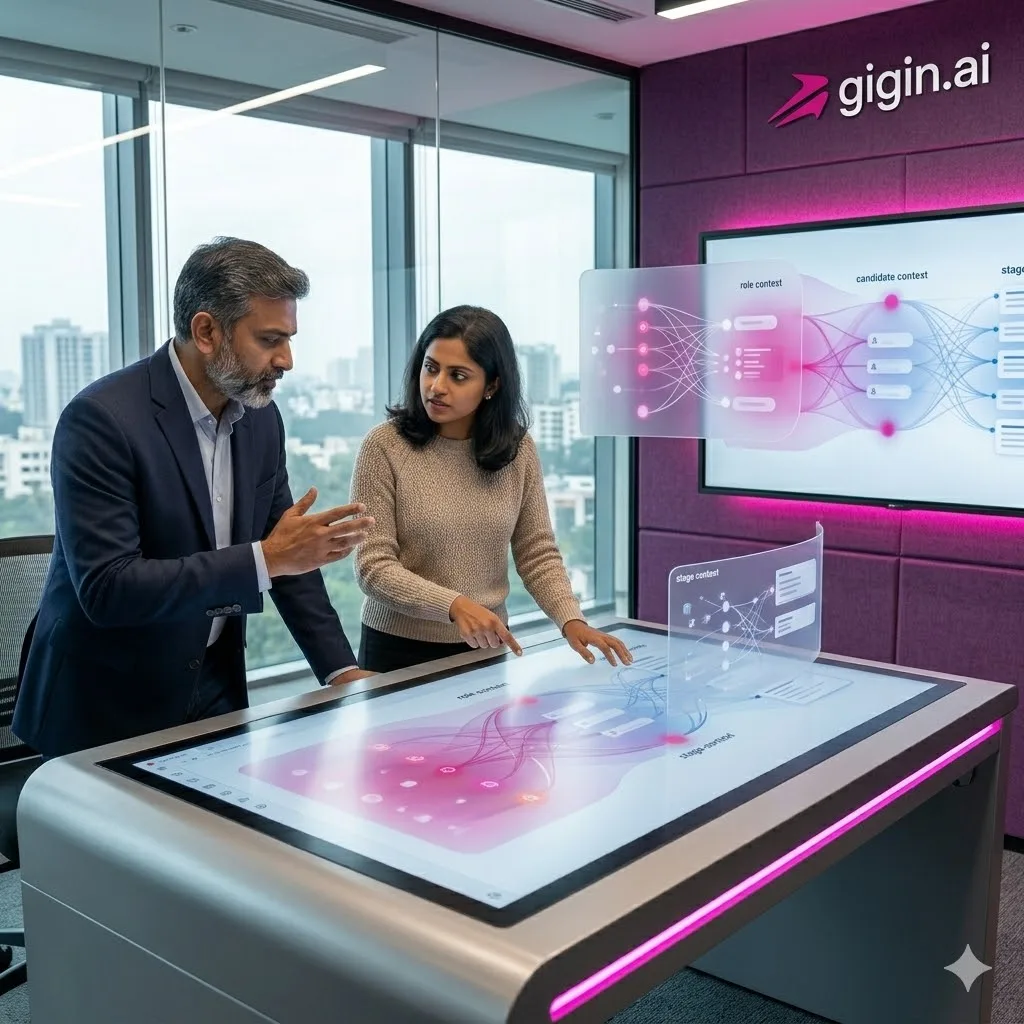
Context Engineering Is the New Prompt Engineering
As AI products become more agentic and stateful, context engineering — not prompt engineering — is what actually drives better outcomes.
-

Why Shared Memory Is What Makes Hiring Feel Intelligent
Software can look intelligent for a moment. Far fewer products feel intelligent over time. That distinction comes down to shared memory.
-
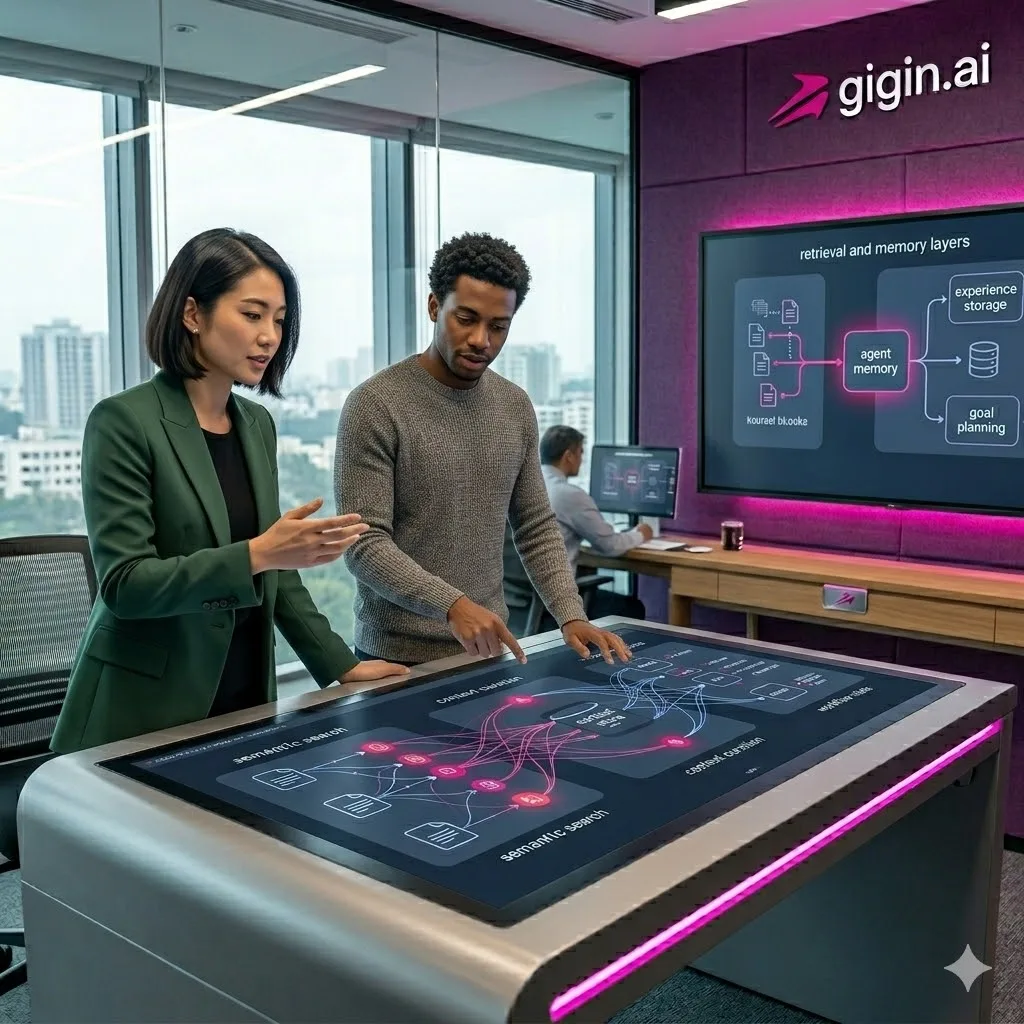
Vector Databases Alone Are Not Memory
Retrieval is not memory. Vector databases help hiring systems find things — they don't decide what should persist, decay, or matter next.
-
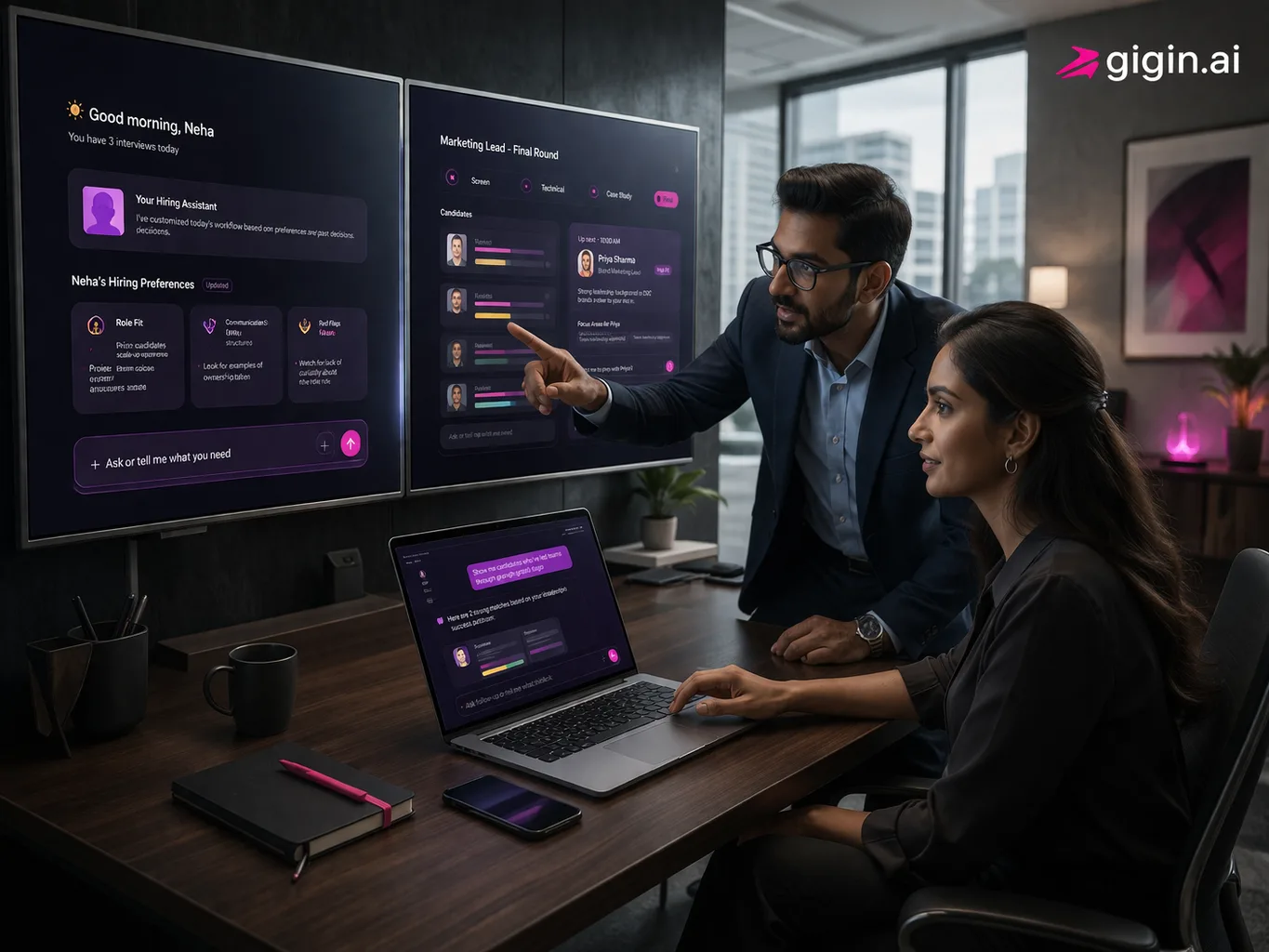
How Personalized Hiring Interfaces Are Really Built
Real personalization isn't recommendation order or UI tweaks. It's a system that understands enough of the user's workflow to get more relevant over time.
-
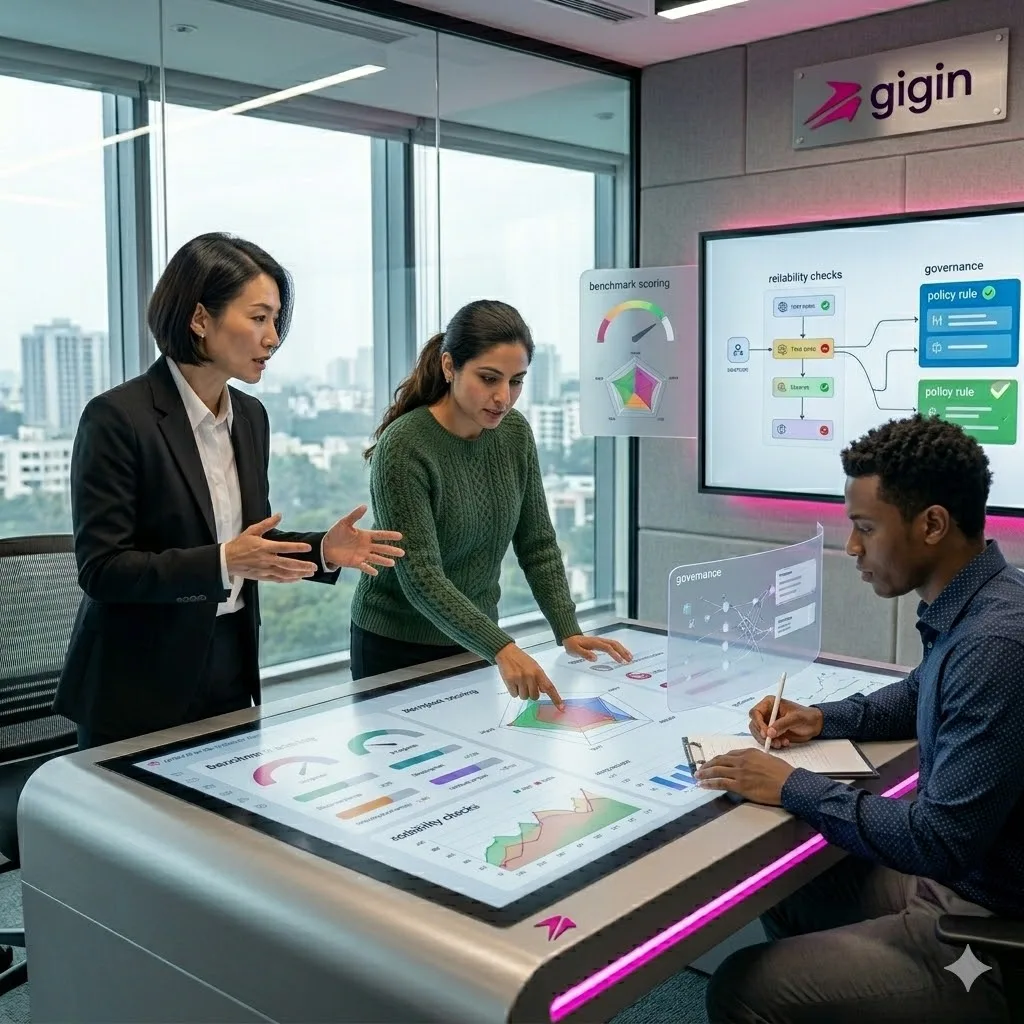
Why Evals Matter Before Scale
As agent adoption moves from curiosity to deployment, scaling before you can measure reliability isn't ambition — it's guesswork.
-

Without Evals, Agentic Hiring Is Just Confidence Theater
Fluent output and reliable output are not the same thing. Without disciplined evaluation, agentic hiring claims are just confidence theater.
-
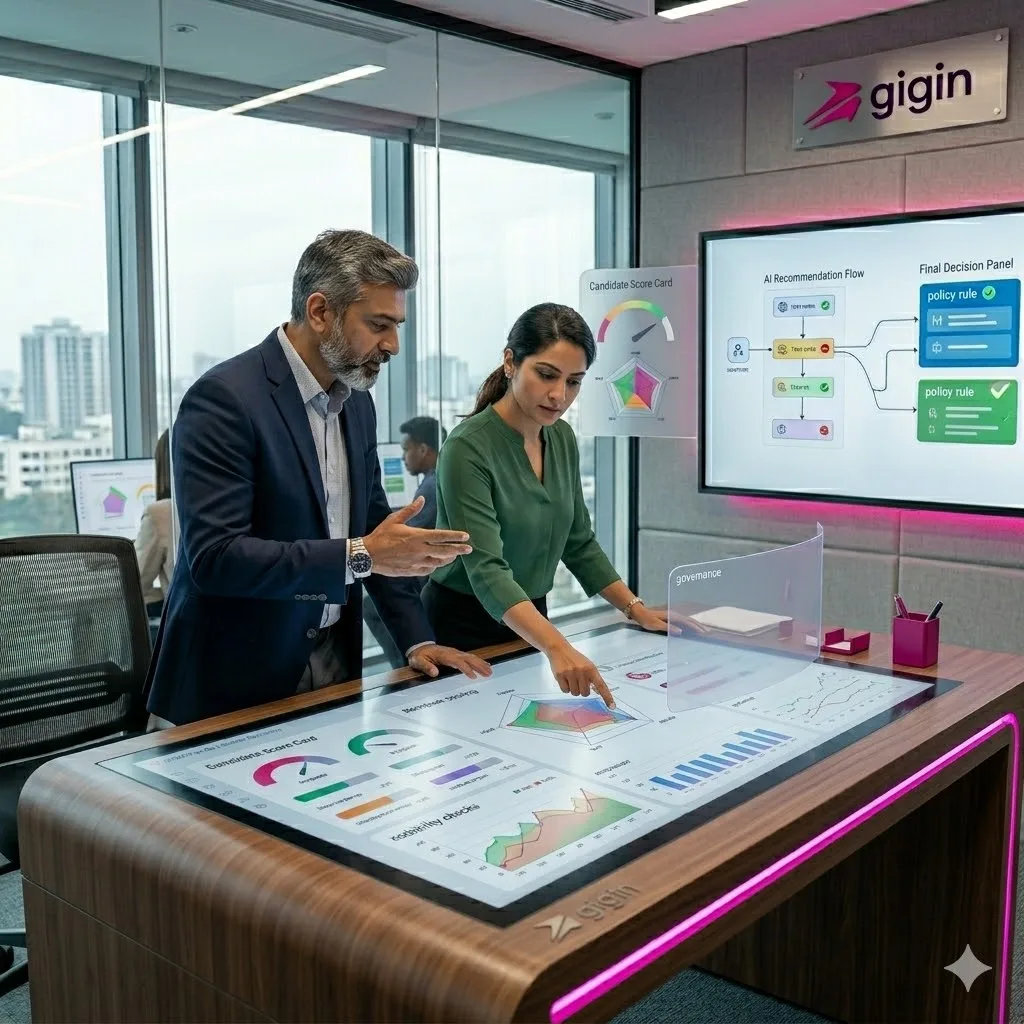
Human-in-the-Loop Is Not a Compromise. It Is Correct Architecture.
Human oversight in AI workflows isn't a hedge or a compromise. In hiring, where judgment and trust carry real consequences, it's correct architecture.
-

What Good Guardrails Look Like in Production Agent Systems
Guardrails aren't a defensive extra layer bolted onto agent systems — they're what makes production-grade hiring AI deployable at all.
-
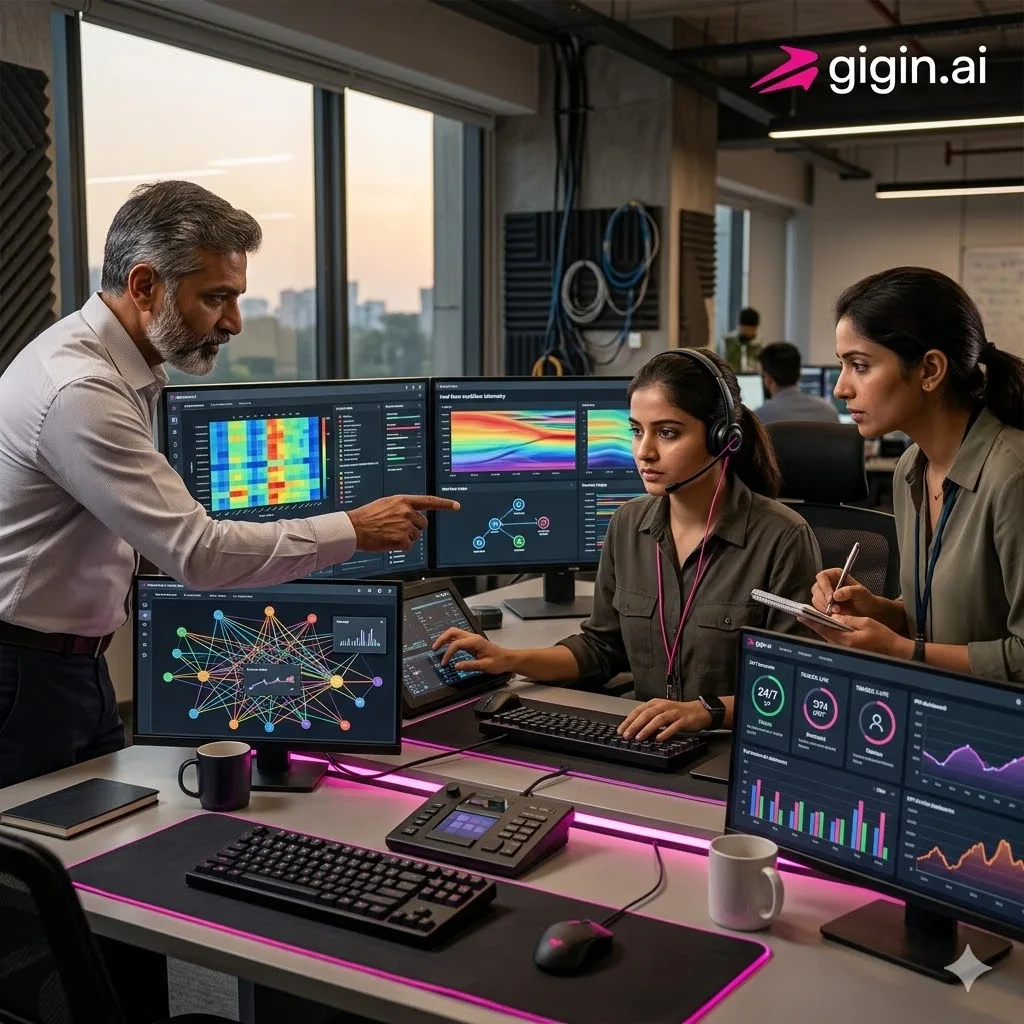
Observability Is the Difference Between Demos and Products
Most agentic products look great in a demo and struggle under real pressure. Observability is what separates the two.
-

What Agent Traces Reveal About Broken Hiring Workflows
Vague complaints like the workflow feels off become traceable, fixable problems once agent traces reveal what's actually breaking underneath.
-
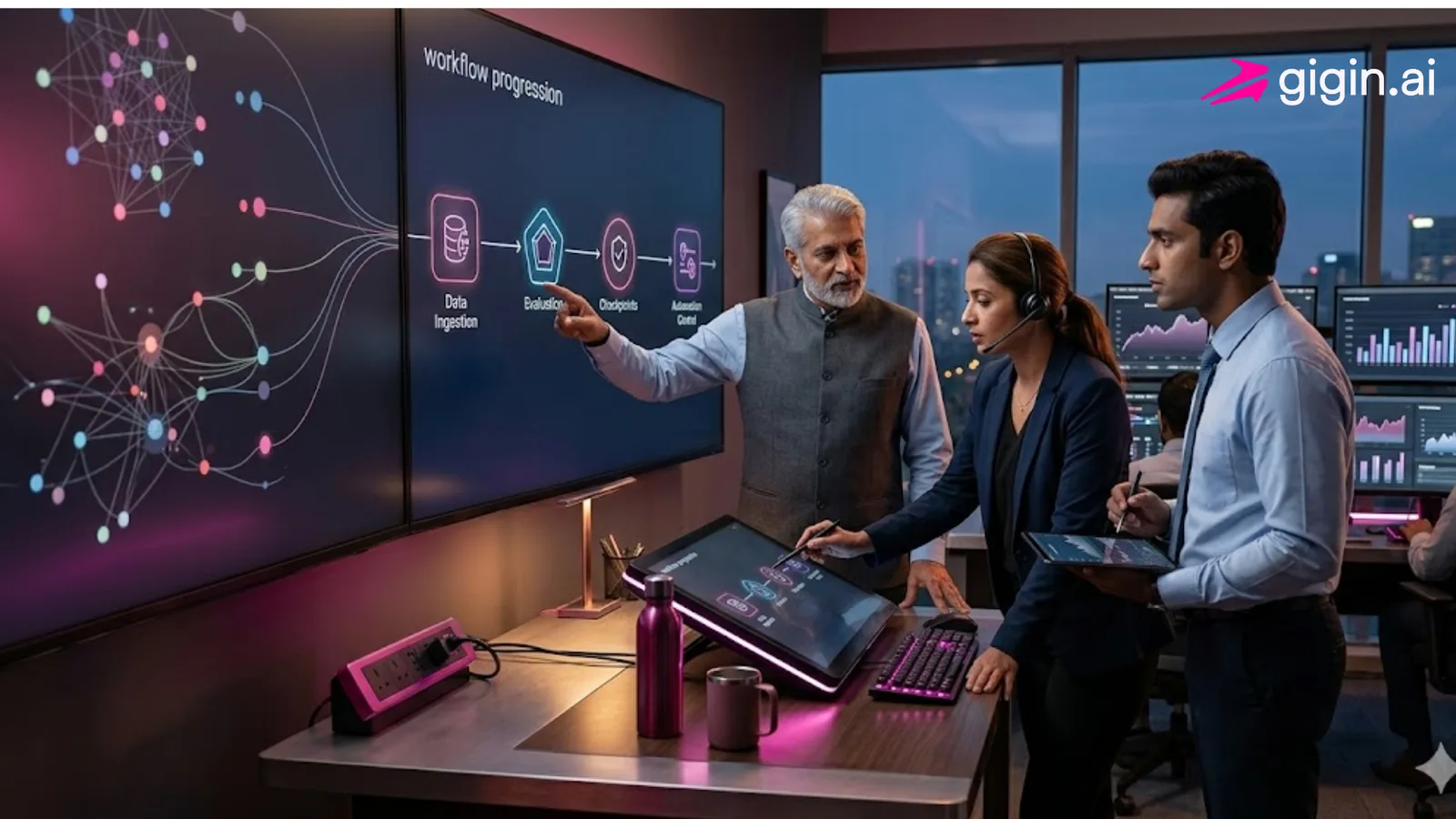
Reliability Before Autonomy: The Right Order for Production AI
Autonomy isn't the end goal — reliability is. The right build order for production AI in hiring is dependability first, broader autonomy second.
-

Cost, Latency, and Accuracy: The Real Triangle in Production AI
Model quality alone doesn't make a good AI product. Cost, latency, and accuracy form a real triangle, and managing it well is a competitive edge.
-
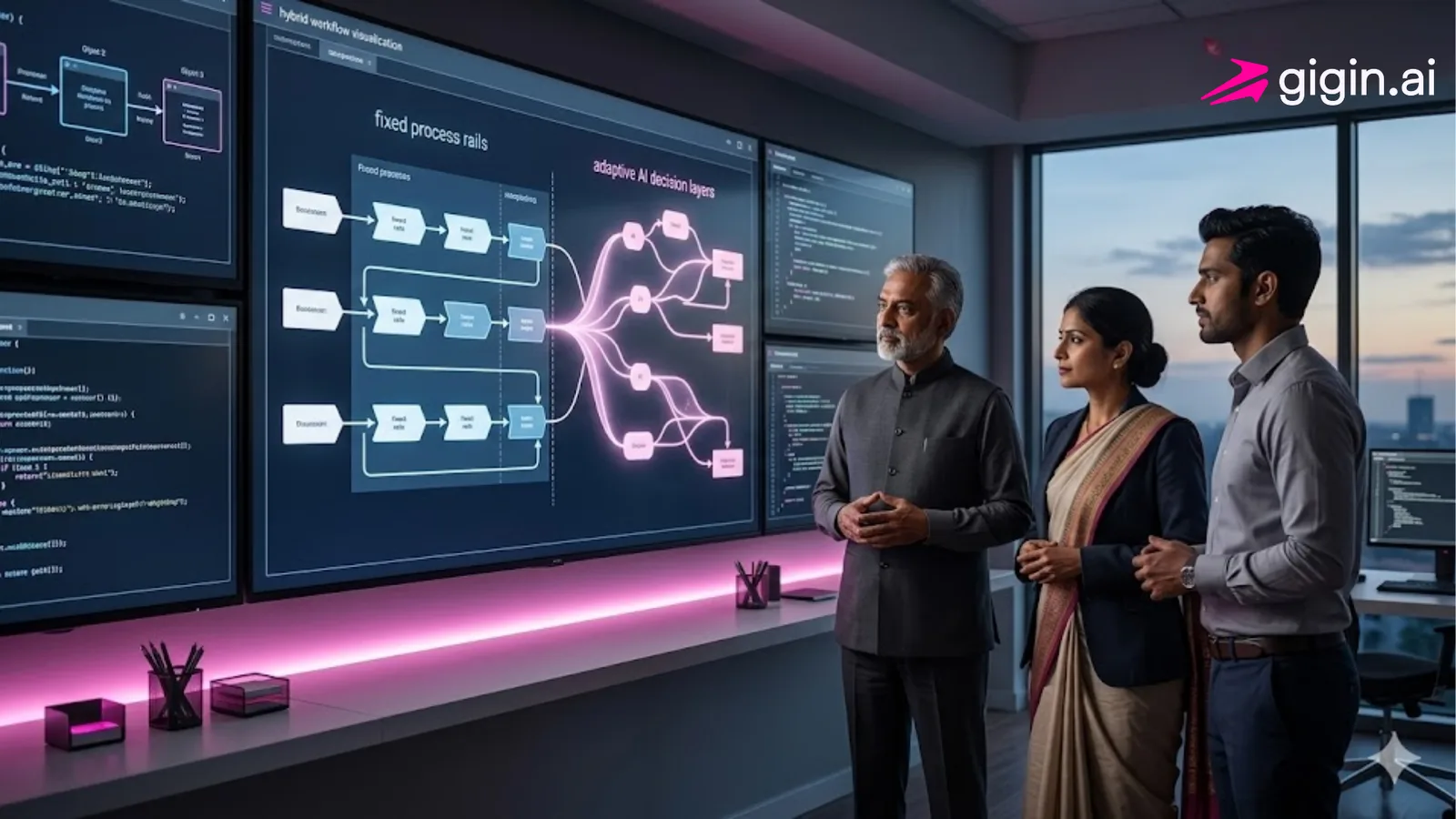
Deterministic Systems + Agentic Systems = The Winning Stack
The strongest hiring stack isn't all rules or all AI. It's deterministic infrastructure and agentic intelligence each doing the job they're best suited for.
-

Why Prompt Engineering Will Not Be Your Moat
Prompting can be copied the moment a category converges on similar models. Durable advantage in hiring AI comes from system design, not clever wording.
-

MCP, A2A, and the Future of Interoperable Hiring Systems
As hiring software becomes more agentic, interoperability stops being about APIs and starts being about protocols like MCP and A2A that let systems truly connect.
-

Why Protocol-Driven AI Will Beat Hardcoded Integrations
Hardcoded integrations are brittle by nature. Protocol-driven AI is a fundamentally better foundation for connecting hiring workflows to the tools around them.
-
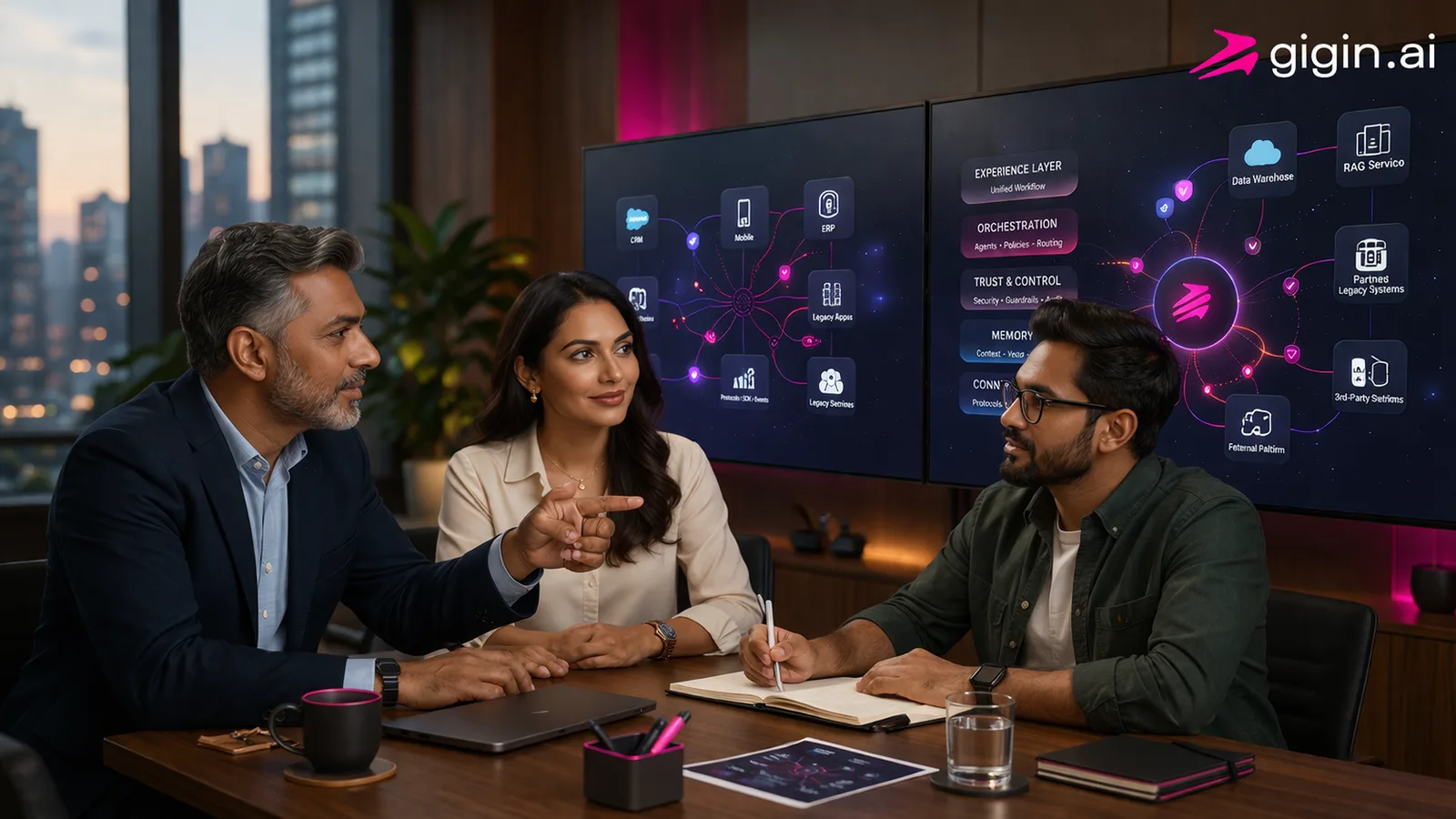
Integrations Are Not a Badge. They Are an Architectural Decision.
Integration count is a vanity metric. What matters is whether each connection strengthens workflow continuity, trust, and reliability — not just the logo wall.
-

ChatGPT-Like UX, Netflix-Like Personalization: What It Actually Takes
ChatGPT-like UX and Netflix-like personalization are downstream effects of stronger architecture, not surface tricks. Here's what actually earns them.
